English
 French
 Spanish
 Italian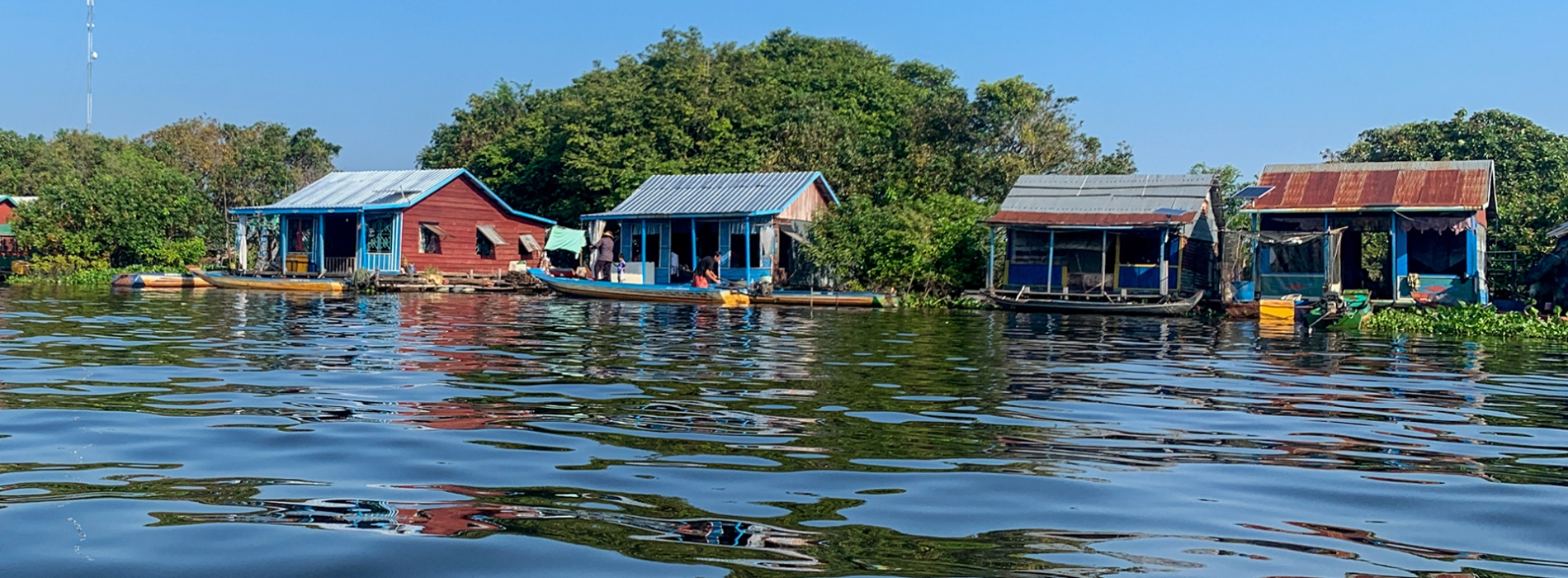
Cambodia is more than Angkor Wat. A one-week trip in Cambodia lets you visit ancient temples. You can experience local culture, scenic landscapes. The route is planned well.
This guide covers two seasonal itineraries, from Phnom Penh to Siem Reap. It helps you choose the best way to explore Cambodia.
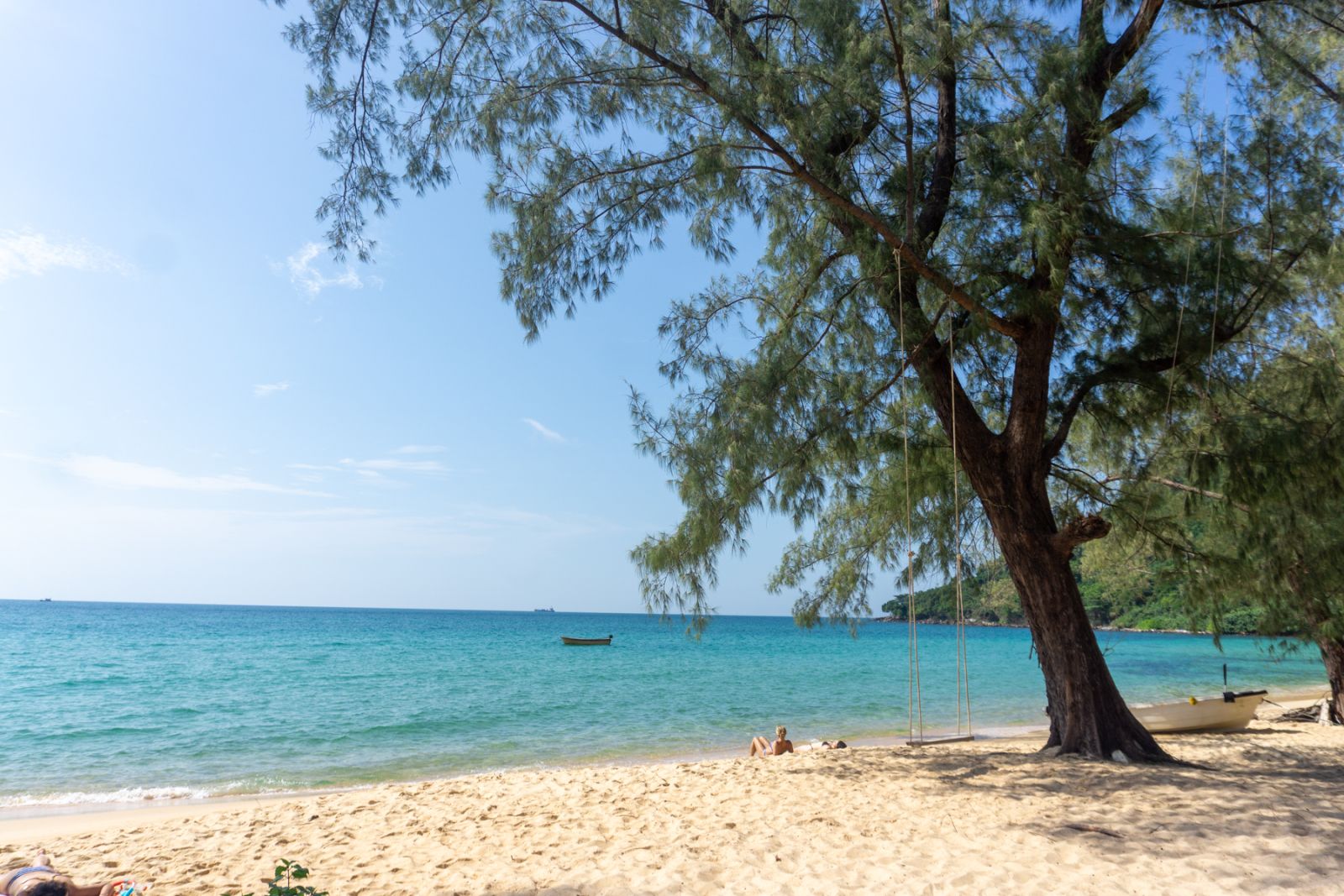
A beach in Cambodia. Looks like paradise, right?
Cambodia has two main travel seasons that create completely different experiences.
The dry season is the most popular time to visit Cambodia. With clear skies, lower humidity, and better roads, it is ideal for travelers who want to visit many places in one trip.
During this time, visitors can travel comfortably through the countryside. They can cycle around the islands. They can take boat trips on the Mekong River. They can spend long days exploring Angkor’s temples.
Recommended Route:
Phnom Penh → Kampong Cham → Kratie → Siem Reap
This route combines Cambodia’s modern capital with Mekong River culture, wildlife, and its most famous archaeological sites.
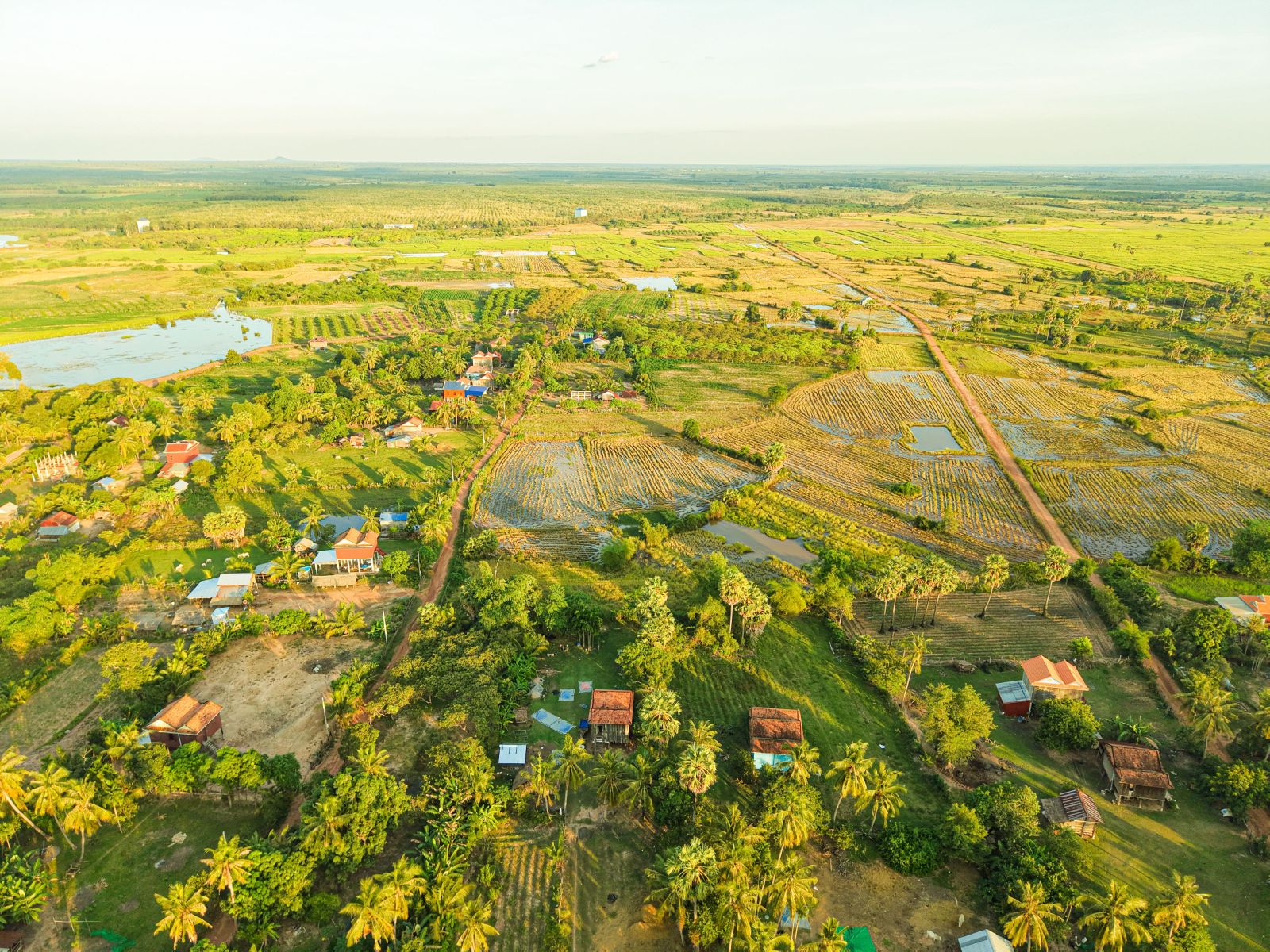
A stunning aerial view of Cambodia's lush rural landscape, with its rice paddies and farmland
Although often called the rainy season, the green season is one of Cambodia’s most underrated travel periods. Rain usually comes in short afternoon showers rather than lasting all day.
During these months, Cambodia’s countryside becomes especially beautiful. Rice fields turn bright green, waterfalls reach their strongest flow, and Tonlé Sap Lake expands to support vibrant floating communities.
Recommended Route:
Phnom Penh → Kampong Thom → Siem Reap
This schedule focuses on ancient heritage, nature, and slower travel experiences while avoiding long journeys during unpredictable weather.
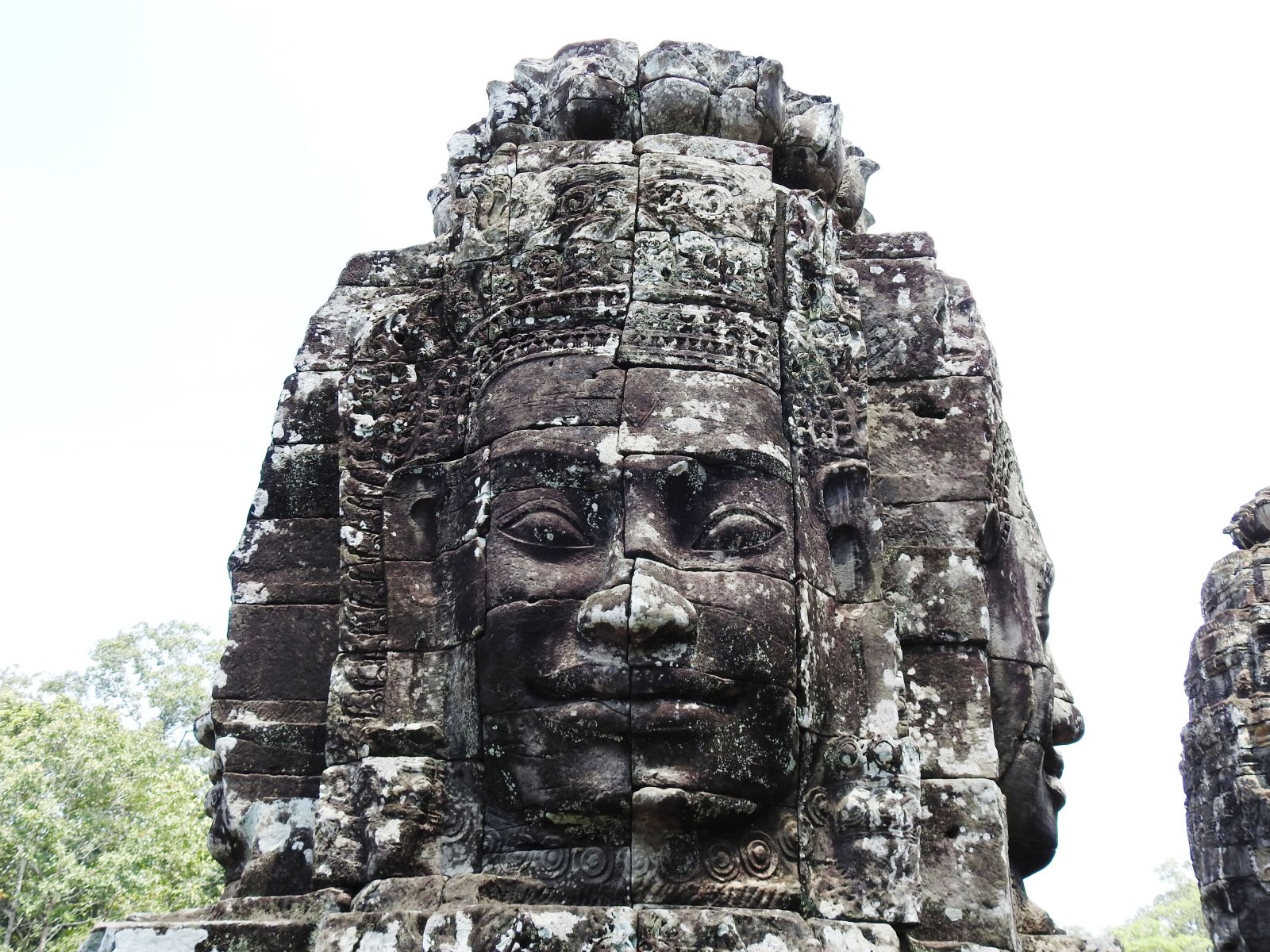
Discover the ancient stone sculptures and architecture in Siem Reap, Cambodia
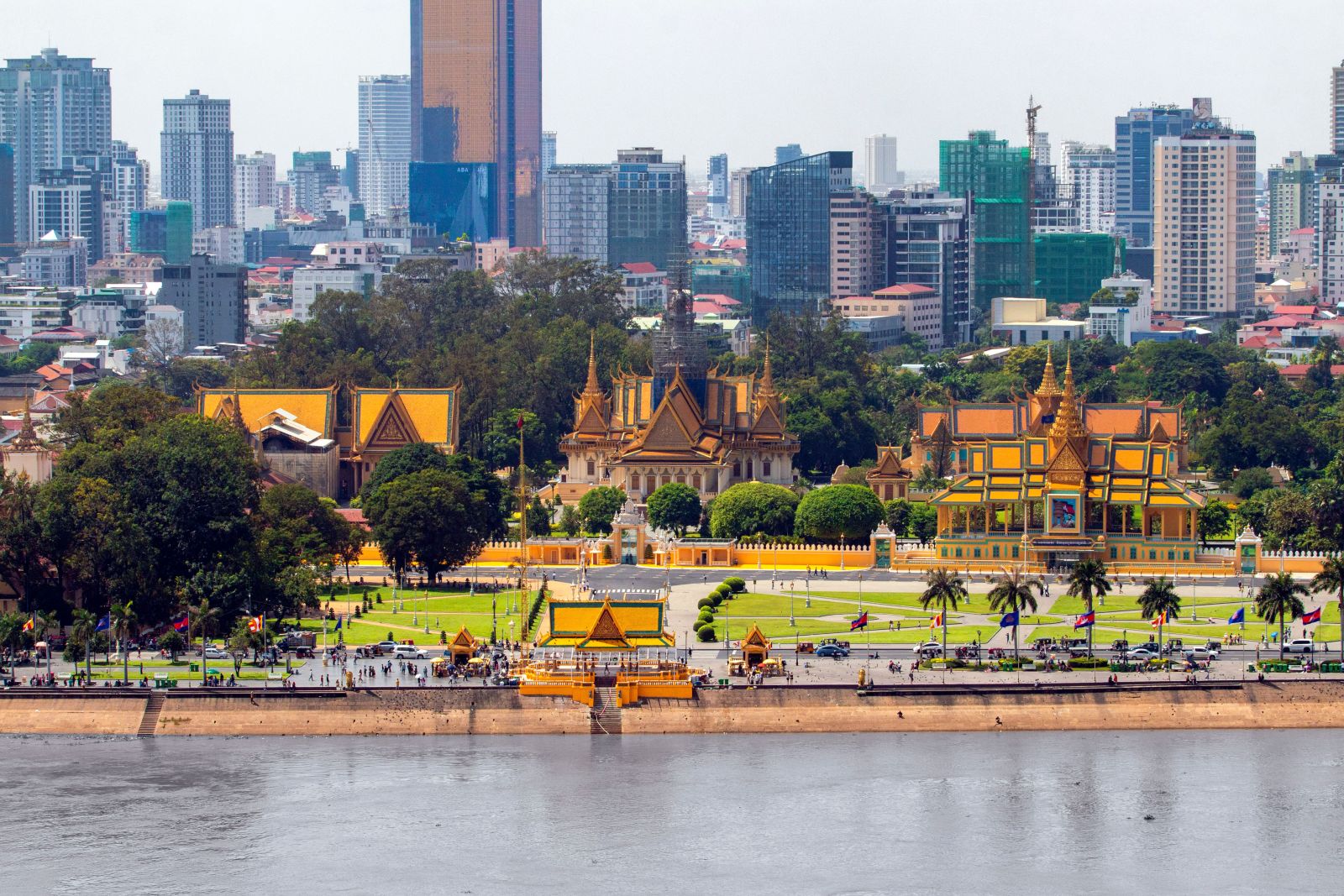
Phnom Penh is well worth spending a few days!
Your journey begins in Phnom Penh, the capital city. Here, Cambodia’s royal heritage, colonial architecture, and modern life come together.
Start your first day at the Royal Palace, one of the country’s most important landmarks. The complex showcases traditional Khmer architecture and remains the official residence of Cambodia’s royal family.
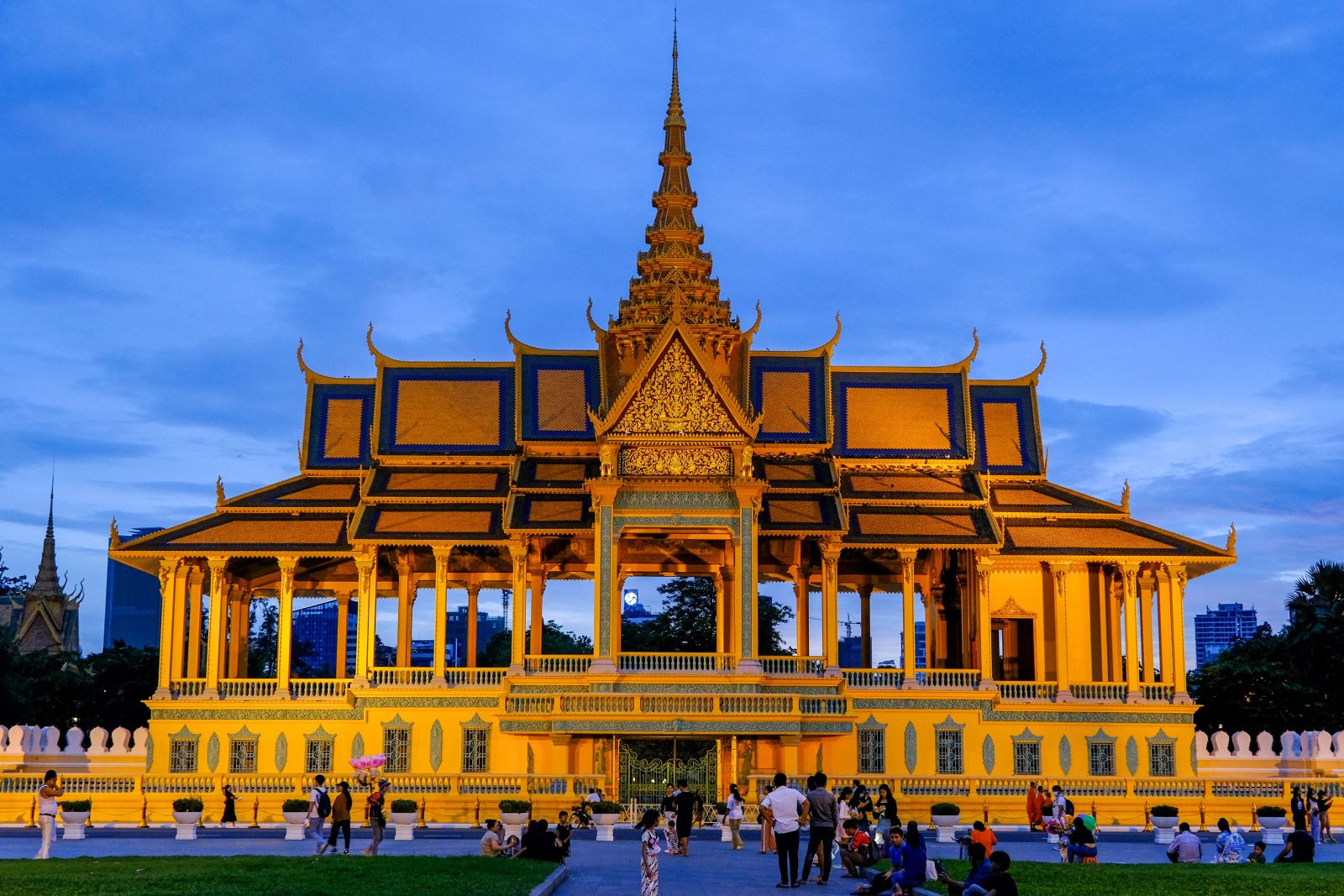
Royal Palace, Cambodia
Nearby, visit the Silver Pagoda, famous for its impressive collection of Buddhist treasures and beautifully decorated interiors. These landmarks provide an introduction to Cambodia’s history before exploring the country’s ancient temples.
Continue to the National Museum of Cambodia, home to thousands of Khmer artifacts, including sculptures from the Angkor period. It is one of the best places to understand the civilization you will later discover in Siem Reap.
In the late afternoon, head to Wat Phnom, a historic hilltop temple surrounded by gardens. End the day with a walk along Sisowath Quay, where locals gather to enjoy the sunset beside the Mekong River.
Overnight: Phnom Penh
Distance: Around 120 km
Travel time: 2.5–3 hours
Leave Phnom Penh and travel northeast to Kampong Cham. It is a quiet riverside city with a real view of daily Cambodian life.
Unlike Cambodia’s famous tourist spots, Kampong Cham stays fairly quiet. It is a great stop for travelers who want a slower pace.
.jpg)
Kampong Cham is one of the major cities in Cambodia
The first highlight is Wat Nokor, an ancient Angkorian sandstone temple. A modern Buddhist pagoda later surrounded it. The combination of old and new reflects Cambodia’s long religious history.
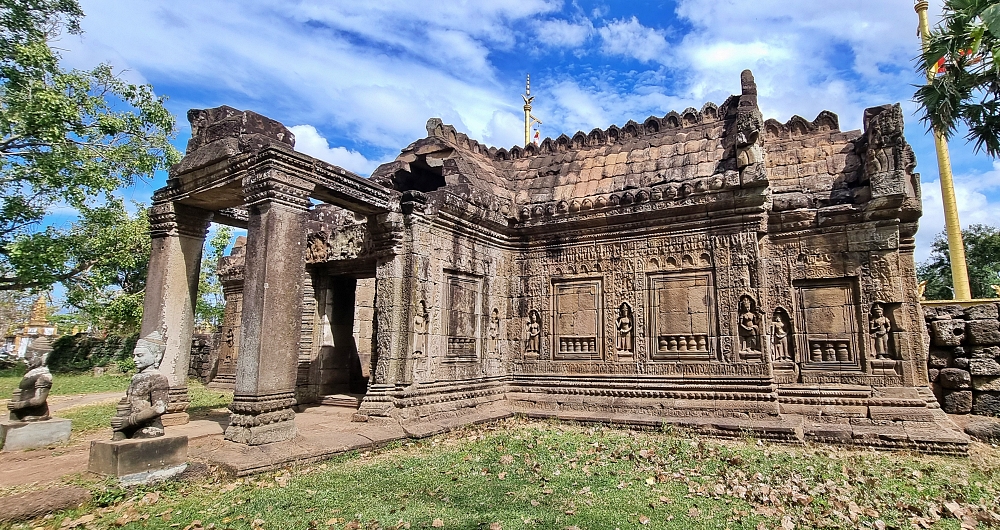
Wat Nokor Temple
Next, visit Koh Pen Island, located across the Mekong River. During the dry season, a traditional bamboo bridge connects the island. Cycling around Koh Pen allows visitors to pass through small villages, farmland, and local communities.
As the sun sets, return to the riverside to enjoy views of the Mekong. Kampong Cham is one of the best places to experience Cambodia away from busy tourist routes.
Overnight: Kampong Cham
You may also like: Mekong Adventurer Cruise

Kratie is a small province located in northeastern Cambodia
Distance: Around 140 km
Travel time: 3–4 hours
Continue north along the Mekong River to Kratie. It is a charming town with a relaxed feel. You may also spot rare wildlife.
The main attraction is the chance to see Irrawaddy dolphins, one of the world’s rarest freshwater dolphin species. A short boat trip along the Mekong lets you see these gentle animals and enjoy the quiet river scenery.
After the cruise, explore Koh Trong Island, located opposite Kratie town. The island is best explored by bicycle. It lets travelers visit Khmer villages, fruit gardens, and local farming communities.
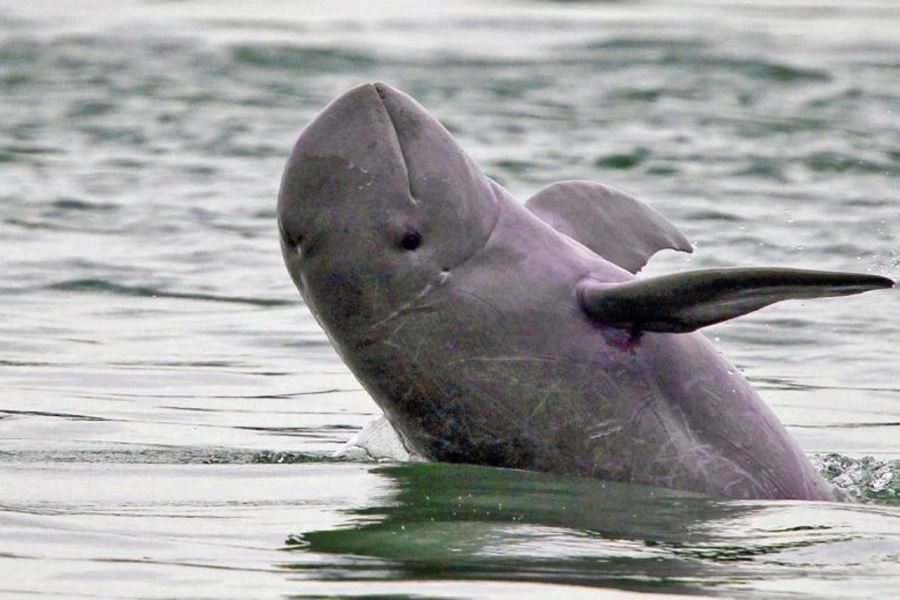
Mekong River Dolphin, Kampi Village
Koh Trong shows a different side of Cambodia. Daily life here follows the Mekong River’s rhythm, not tourism.
For travelers who want cultural experiences, this stop is a highlight.
It offers some of the most memorable moments in a 1-week Cambodia itinerary.
Overnight: Kratie
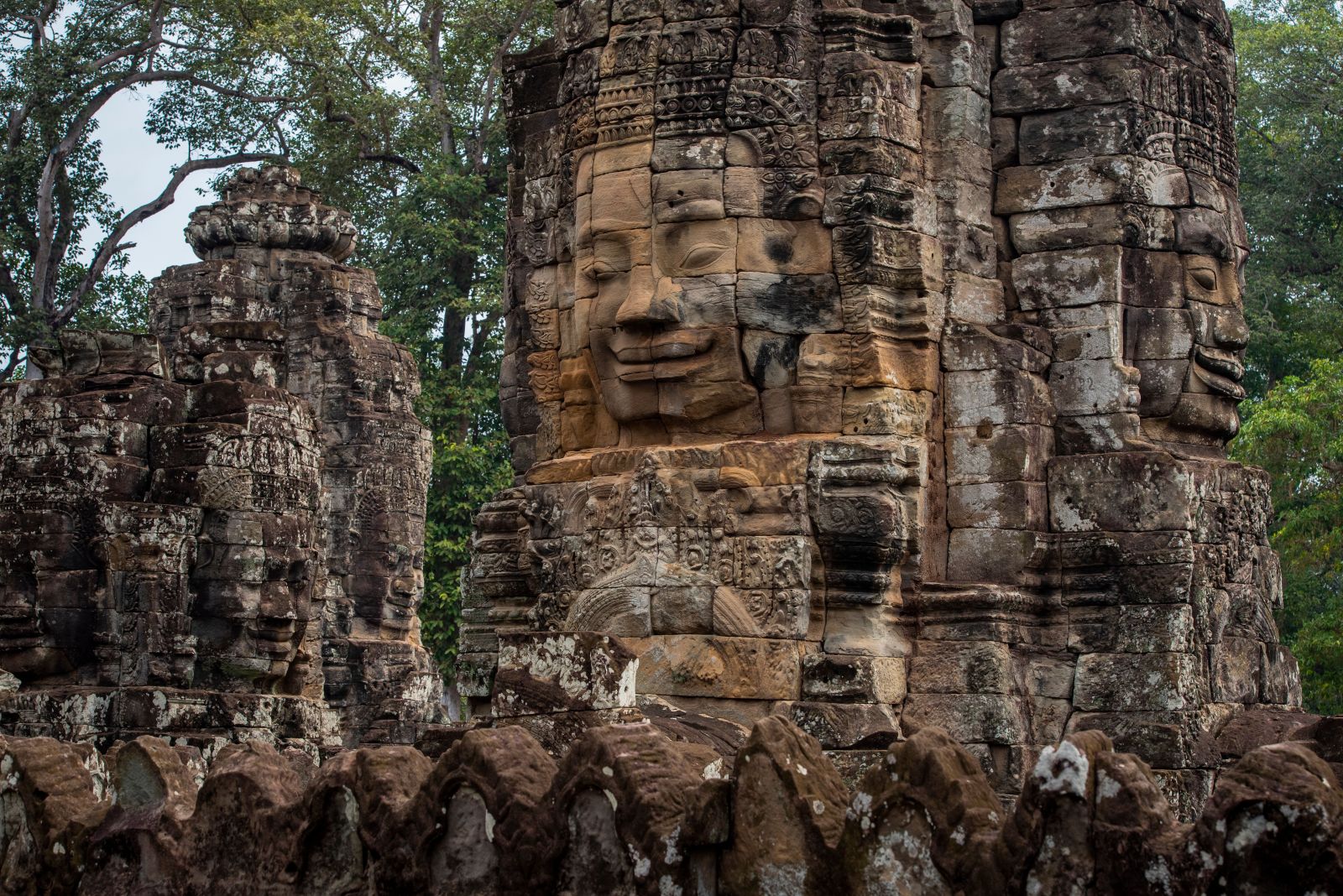
Angkor, Cambodia
Distance: Around 350 km
Travel time: 5–6 hours
Today is the longest travel day. You will leave the Mekong region and continue to Siem Reap. Siem Reap is the gateway to Cambodia’s ancient Khmer Empire.
After arriving in Siem Reap, spend the evening exploring the city at a relaxed pace.
Visit the Old Market to discover local handicrafts, souvenirs, and Cambodian street food. For a cultural evening, watch Phare Cambodian Circus, a performance combining traditional storytelling, music, and modern circus techniques.
Unlike Phnom Penh’s busy streets, Siem Reap feels more relaxed. It is the perfect base for exploring Angkor over the next few days.
Overnight: Siem Reap
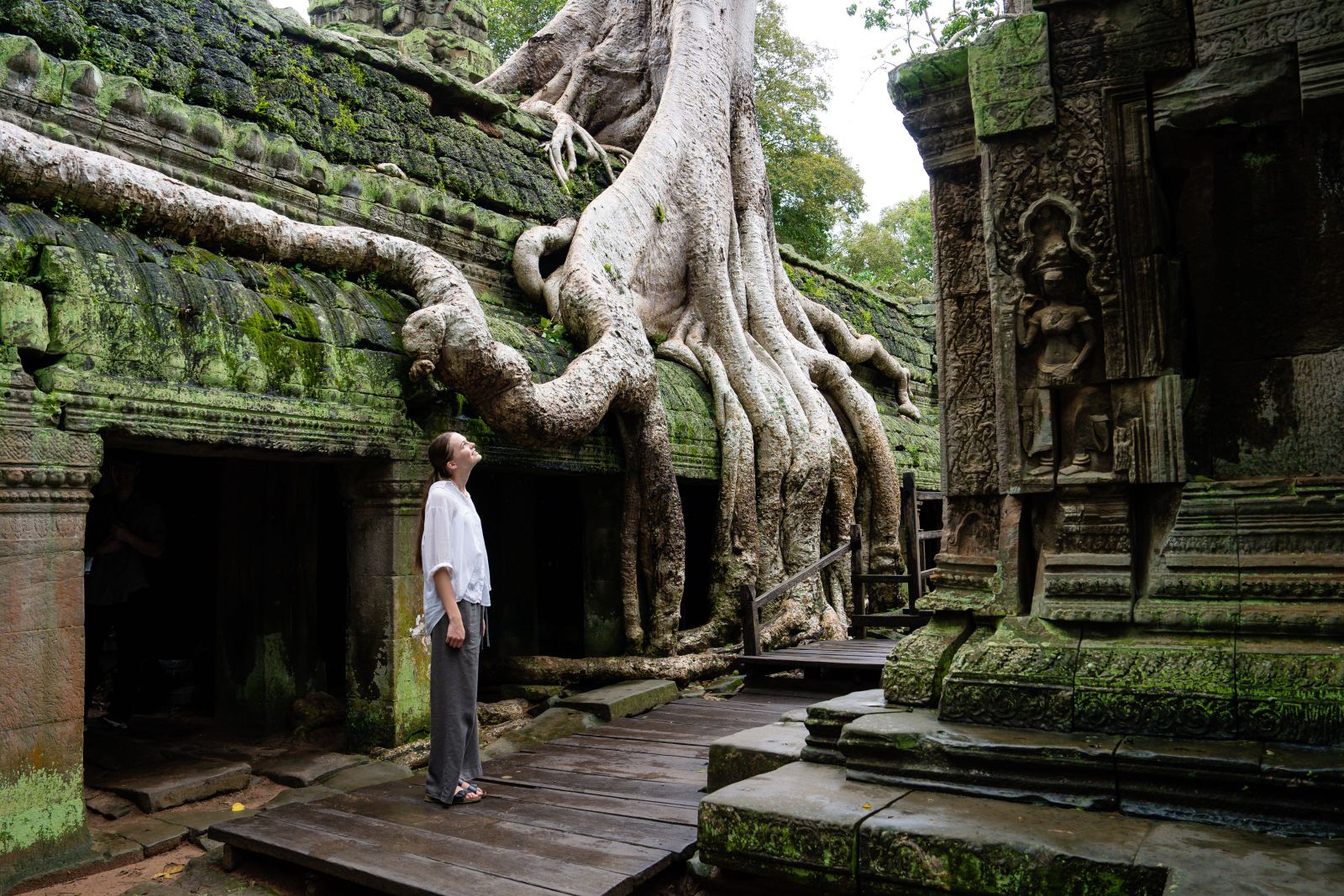
Krong Siem Reap, Siem Reap Province, Cambodia
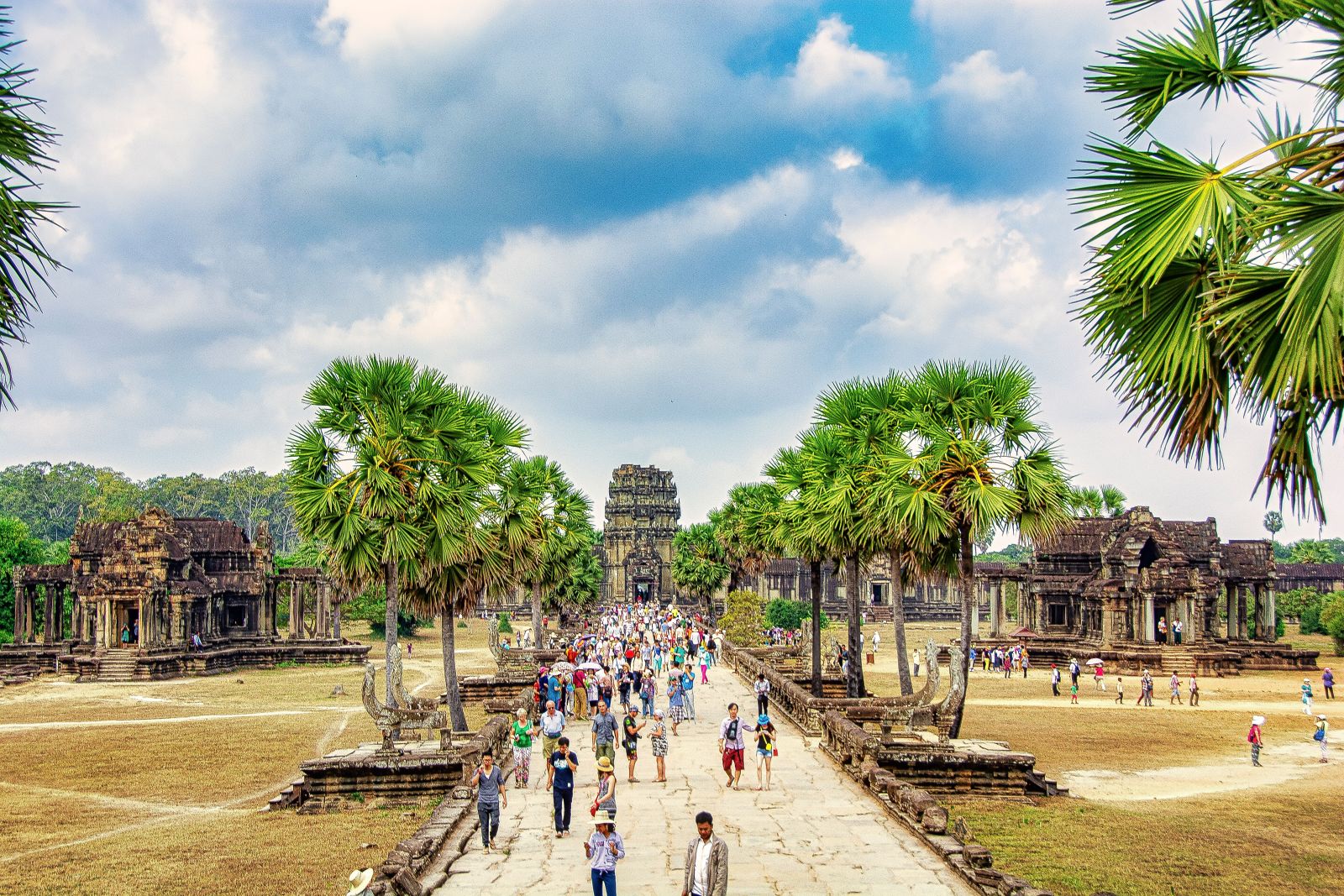
Angkor Wat's entrance
No one-week Cambodia itinerary is complete without visiting Angkor, a remarkable ancient city of the Khmer Empire.
Start your morning early and watch the sunrise at Angkor Wat. It is Cambodia’s most iconic landmark and one of the world’s largest religious monuments.
Arriving before sunrise helps you avoid the midday heat. It also lets you see the temple reflected in nearby pools. The soft morning light makes the view even better.
After Angkor Wat, continue to Angkor Thom, the last and most powerful capital city of the Khmer Empire. Inside the complex, visit Bayon Temple, famous for its mysterious stone faces carved into dozens of towers.
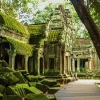
In the afternoon, explore Ta Prohm, one of Angkor’s most atmospheric temples. Unlike other restored sites, Ta Prohm is famous for giant tree roots. They grow through ancient stone structures. This creates a unique mix of nature and history.
Instead of trying to visit every temple in one day, focus on the most important sites. Take time to enjoy the architecture, stories, and atmosphere at each place.
Overnight: Siem Reap
After exploring Angkor’s famous temples, continue your journey to places that show the Khmer Empire’s origins.
Located about 50 kilometers from Siem Reap, Phnom Kulen National Park is considered a sacred mountain in Cambodian history. It was here that King Jayavarman II declared the beginning of the Angkorian Empire in the 9th century.
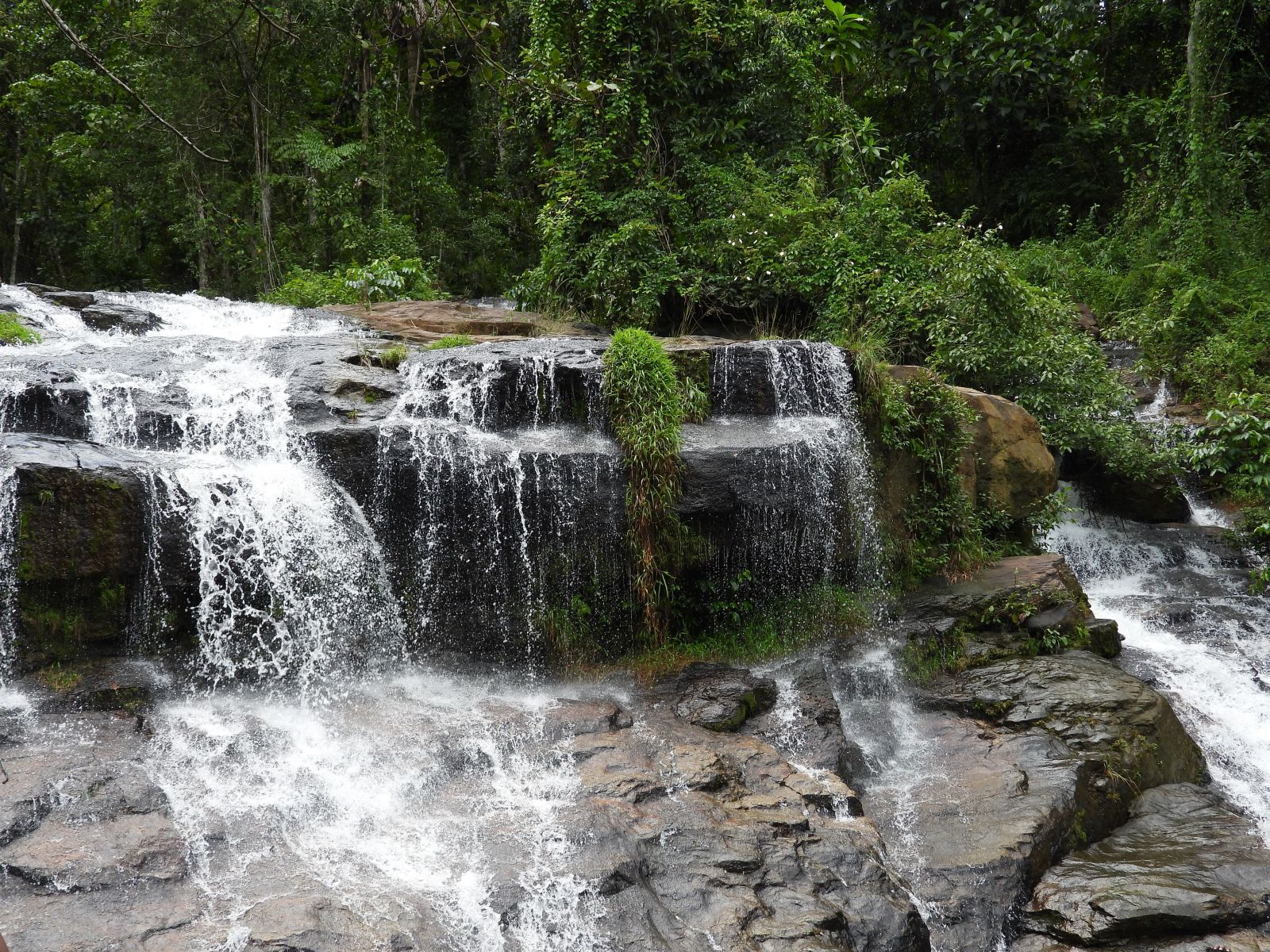
A tranquil waterfall cascades down into a serene forest lake, surrounded by lush greenery and smooth stones in Phnom Kulen National Park
The first stop is the River of a Thousand Lingas, where ancient carvings of Hindu deities still line the riverbed. The site provides a fascinating connection between Cambodia’s religious beliefs and natural landscapes.
Continue to Phnom Kulen Waterfall, a popular local destination where visitors can relax and enjoy the surrounding forest. During the dry season, the waterfall may not be at its strongest, but the peaceful mountain scenery makes it a worthwhile visit.
On the way back to Siem Reap, stop at Banteay Srei Temple, often considered one of Cambodia’s most beautiful temples. Built from pink sandstone, the temple features some of the finest carvings in Khmer architecture.
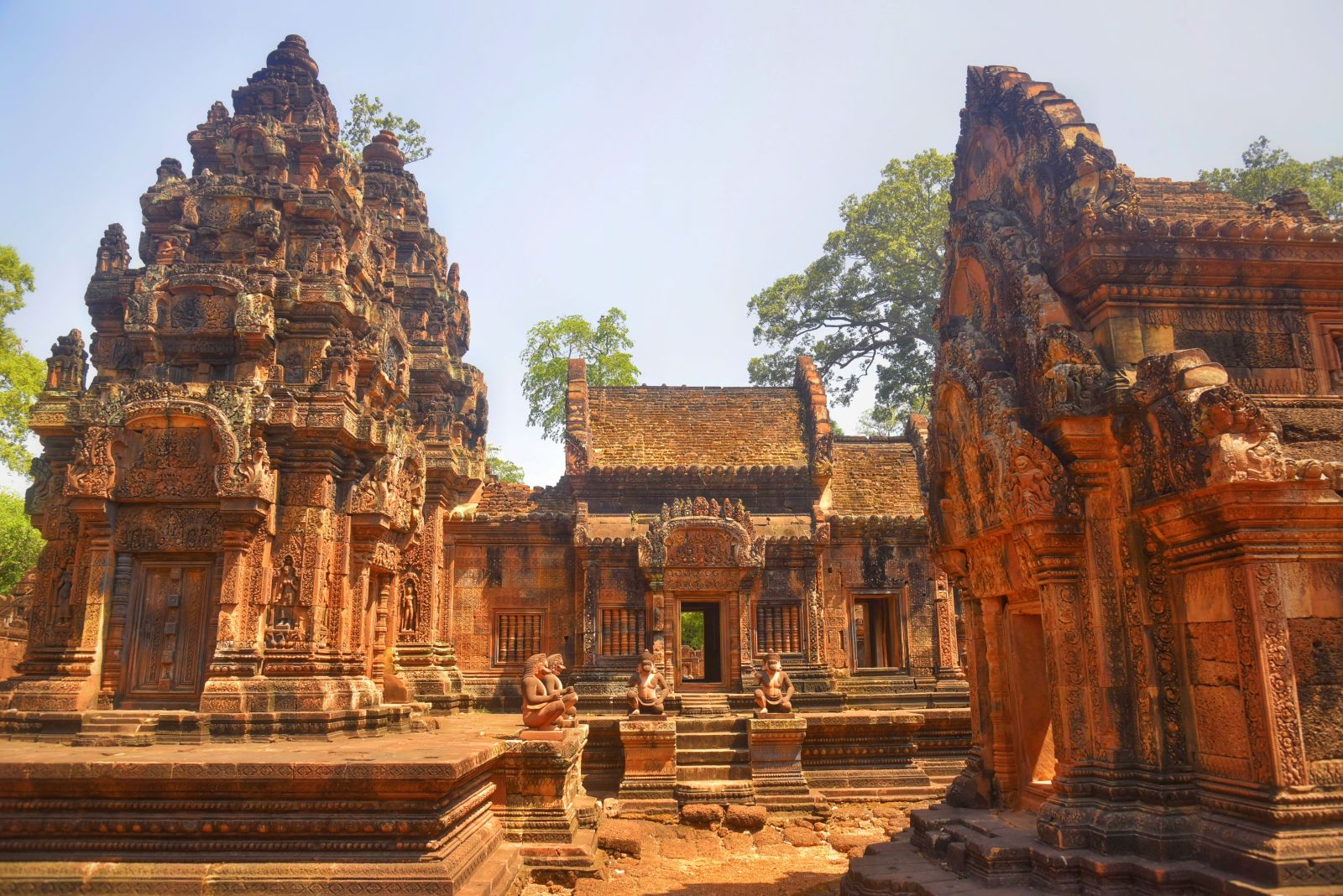
Discover the exquisite carvings and rich ornamentation of Banteay Srei temple in Cambodia
Compared with the larger temples of Angkor, Banteay Srei offers a more detailed and intimate experience.
Overnight: Siem Reap
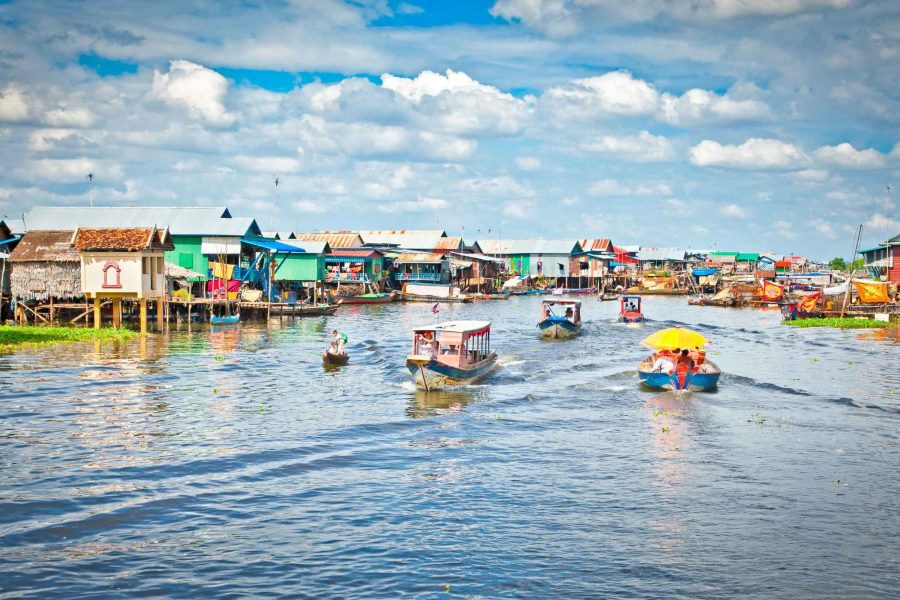
Tonle Sap is a combined system of lakes and rivers of great importance to Cambodia
Finish your one-week tour in Cambodia with a visit to Tonlé Sap Lake. It is Southeast Asia’s largest freshwater lake. It plays an important role in daily life in Cambodia.
Visit Kampong Phluk Floating Village, where residents build homes, schools, and shops to match the lake’s changing water levels. During the dry season, visitors can see the special design of houses built on stilts. They can also learn how communities adjust to changes in the seasons.
The experience offers a new view of Cambodia. It shows many communities still rely on fishing and waterways for their livelihoods.
After the boat trip, return to Siem Reap for your departure flight or continue your Southeast Asia journey.
End of itinerary
You may also like: Cambodia Classic Tour: First-Time Travel Guide & Tips
While many travelers avoid Cambodia during the rainy months, the green season offers a completely different experience. The countryside becomes more vibrant, waterfalls become more impressive, and popular attractions are often less crowded.
For travelers who love nature, photography, and real local experiences, this can be a great time to visit.
Route:
Phnom Penh → Kampong Thom → Siem Reap
Begin your journey in Phnom Penh, but explore the city at a relaxed pace. This suits the warm and sometimes rainy weather.
Visit the Royal Palace, Silver Pagoda, and National Museum of Cambodia to understand Cambodia’s royal traditions and cultural heritage.
In the afternoon, explore the city’s local atmosphere at places such as Central Market or small riverside cafés.
A sunset cruise along the Mekong River is another excellent option during the green season. The cooler evening temperature and dramatic skies often create beautiful views over the city.
Overnight: Phnom Penh

Silver Pagoda in Phnom Penh
Distance: Around 170 km
Travel time: 3.5–4 hours
Instead of going straight to Siem Reap, stop in Kampong Thom. It is a province with one of Cambodia’s best archaeological sites.
The highlight is Sambor Prei Kuk, a UNESCO World Heritage Site that predates Angkor Wat by several centuries.
Surrounded by forest, Sambor Prei Kuk features ancient brick temples dating back to the Chenla period. During the green season, the surrounding landscape becomes especially beautiful, with trees and vegetation creating a peaceful atmosphere.
This destination is ideal for travelers who want to explore Cambodia’s history beyond the famous Angkor temples.
Overnight: Kampong Thom
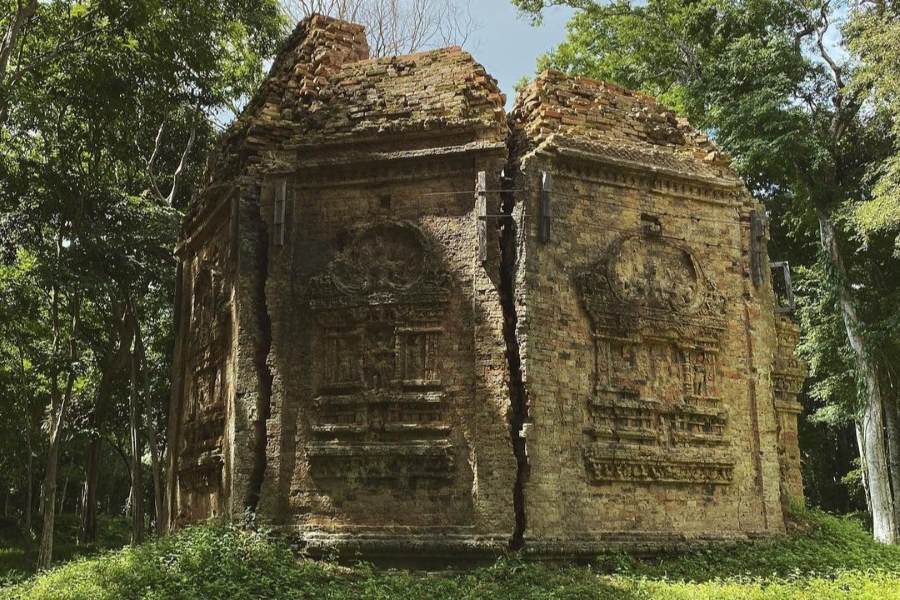
Prasat Sambor Prei Kuk holds many historical tales and deep meanings
You may also like: Aqua Mekong Cruise
Distance: Around 150 km
Travel time: 3 hours
Continue toward Siem Reap, passing through Cambodia’s countryside filled with rice fields, villages, and traditional wooden houses.
Before reaching Siem Reap, visit the Roluos Group Temples. They are one of the earliest temple complexes built by the Khmer Empire.
These temples are often less crowded than Angkor’s main sites and provide a quieter introduction to Khmer architecture.
.jpg)
Roluos temples
After arriving in Siem Reap, spend the evening exploring local restaurants, markets, and cultural performances.
Overnight: Siem Reap
Visiting Angkor during the rainy season offers a completely different atmosphere compared with the dry months.
The plants nearby look greener. Moss covers ancient stone walls. Reflection pools near Angkor Wat often make the photos look perfect.
Explore:
The biggest advantage of traveling during this season is the slower pace. With fewer visitors, travelers can enjoy the temples with more space and a more peaceful atmosphere.
Bring a lightweight rain jacket, as showers are usually short but can arrive unexpectedly.
Overnight: Siem Reap
During the green season, Phnom Kulen becomes one of the most beautiful natural destinations near Siem Reap.
The mountain forest becomes lush, and the waterfalls are much more impressive compared with the dry months.
Explore:
Beyond its natural beauty, Phnom Kulen also holds deep spiritual importance for Cambodian people. Many locals visit the mountain for religious ceremonies and family outings.
This mix of nature, history, and local culture makes Phnom Kulen a top choice for a green-season itinerary.
Overnight: Siem Reap
The green season is one of the best times to explore Tonlé Sap Lake because rising water levels transform the landscape.
Visit Kampong Phluk Floating Village, where houses seem to float above the water. Boats are the main way to get around.
.jpg)
Kampong Phluk Floating Village
During this period, visitors can also see flooded forests, which create a unique environment supporting local wildlife and communities.
Compared with the dry season, the lake feels more alive, with higher water levels and more active fishing activities.
This is one of the most authentic experiences for travelers who want to understand everyday Cambodian life.
Overnight: Siem Reap
End your trip with one of Cambodia’s most atmospheric temples: Beng Mealea.
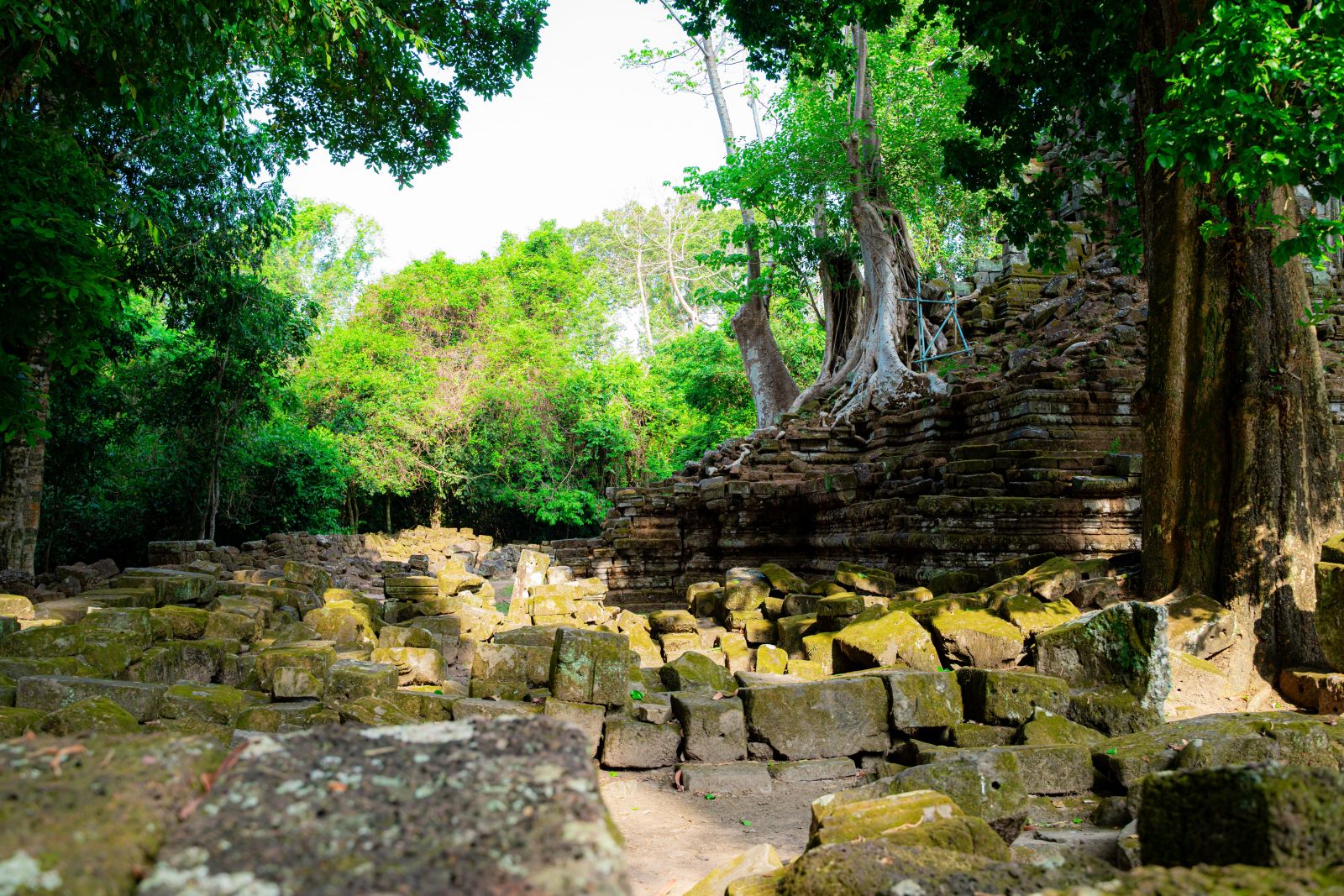
Discover the mysterious ancient ruins of Beng Mealea amidst the lush natural landscape
Located about 60 kilometers from Siem Reap, this remote temple is often seen as a smaller Angkor Wat. It is also less restored.
Unlike the well-kept monuments in Angkor Archaeological Park, Beng Mealea is still surrounded by jungle. It gives visitors the feeling of finding an ancient site hidden by nature.
The green season is ideal for visiting Beng Mealea. The surrounding forest becomes dense and vibrant. It creates a dramatic contrast with the old sandstone ruins.
After exploring the temple, return to Siem Reap for your departure.
End of itinerary
You may also like: Cambodia Vietnam Tour 12 days: Journey from Angkor to Phu Quoc
| Category | Dry Season | Green Season |
| Months | November–April | May–October |
| Weather | Sunny and dry | Warm with short rain showers |
| Best for | Road trips, temples, outdoor activities | Nature, photography, local experiences |
| Landscape | Dry countryside, clear skies | Green rice fields, forests, waterfalls |
| Main highlights | Mekong River, dolphins, Angkor | Phnom Kulen, Tonlé Sap, countryside |
| Travel style | Active exploration | Slow and scenic travel |
For this itinerary, the most convenient option is:
Arrival: Phnom Penh International Airport
Departure: Siem Reap-Angkor International Airport
This allows you to travel in one direction without wasting time returning to your starting point.
For most routes, private cars or organized transfers are the most comfortable options, especially when traveling between smaller cities.
Buses run between major destinations, but private transport offers more freedom to stop at local attractions.
Dry Season:
Green Season:
Yes. Seven days is enough to see Cambodia’s main highlights. These include Phnom Penh, Siem Reap, Angkor Wat, and unique local stops.
The Dry Season has comfortable weather and is great for road trips.
The Green Season is ideal for nature and photography, with fewer tourists.
Yes. Rain usually comes in short showers, and the countryside becomes greener with beautiful waterfalls and landscapes.
The most convenient route is:
Phnom Penh → Kampong Cham/Kampong Thom → Siem Reap
It combines Cambodia’s culture, history, and natural attractions without unnecessary backtracking.
You may also like: Cambodia Thailand Family Tour 12 Days: Explore Temples, Beaches & Heritage
A 1 week Cambodia trip offers a perfect balance of history, culture, and local experiences. Beyond Angkor Wat, the country reveals its beauty through rivers, villages, and countryside.
Choose the season that suits your travel style and start planning your Cambodia adventure today.