English
 French
 Spanish
 Italian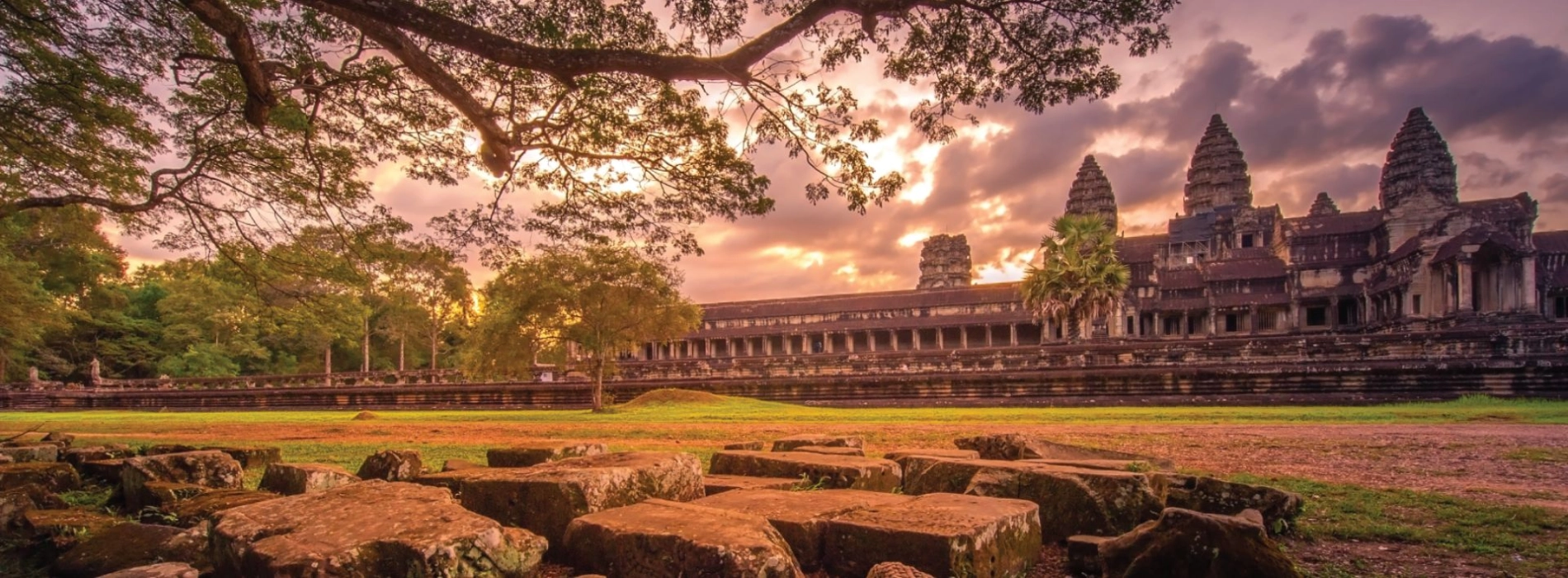
Cambodia is an incredible destination for first-time visitors, but like anywhere in Southeast Asia, it helps to know a few practical safety tips before you go. Most trips go smoothly, especially if you prepare well and stay aware of common tourist scams, payment risks, and transportation issues.
Most scams in Cambodia are relatively harmless, but they can still cost you money or ruin part of your trip. Tuk tuk drivers sometimes claim that temples are "closed today" and redirect tourists to shops where they earn commission. Others may offer suspiciously cheap tours or taxis without agreeing on a fixed price upfront.
.jpg)
Beware of common scams while travelling
When booking tours, hotels, or transportation online, always double-check the website address carefully. Fake booking websites and cloned travel platforms have become increasingly convincing in recent years. Sticking to trusted booking platforms and verified businesses is one of the easiest ways to avoid problems.
Cambodia is still largely cash-based, especially outside Phnom Penh and Siem Reap, so carrying some US dollars is common. Keep smaller bills separate from larger amounts and avoid withdrawing large sums at night.
For card payments, use reputable hotels, restaurants, and ATMs connected to banks. Skimming scams can happen in tourist areas, although they are less common than in some neighboring countries.
(11).jpg)
Use secure internet access for payments
When using mobile banking or entering payment details while traveling, secure internet access matters more than most travelers realize. Many travelers now use reliable VPN solutions to protect sensitive information on shared hotel or airport networks, especially when accessing banking apps or booking transport online.
Free Wi-Fi is widely available in cafés, hotels, airports, and restaurants across Cambodia, but public networks are rarely secure. Avoid logging into banking apps or entering passport and payment details on open connections whenever possible.
If you do need to access sensitive accounts while traveling, using encrypted connections and trusted networks reduces the risk significantly. Public networks in busy tourist areas can be an easy target for cybercriminals looking to intercept unsecured data.
Practical tip: Turn off auto-connect on your phone and manually choose verified networks. Ask hotel staff for the official network name before connecting.
Cambodia is generally safe for travelers, but basic precautions are important. Drink bottled or filtered water instead of tap water, and be careful with ice or uncooked food from street vendors if you have a sensitive stomach.
(11).jpg)
Get your own travel insurance with medical coverage
Travel insurance with medical coverage is strongly recommended, especially since private hospitals in Phnom Penh and Siem Reap can be expensive. Bring mosquito repellent, as dengue fever remains present in some regions during the rainy season.
It is also smart to carry a small medical kit with essentials such as:
This is particularly important if you plan to visit rural areas or islands.
Traffic in Cambodia can feel chaotic compared to Europe. Roads are often crowded with scooters, tuk-tuks, buses, and cars, all moving together with limited traffic rules being followed consistently.
If you rent a scooter, wear a helmet at all times, and avoid driving at night outside major cities. Road conditions can be unpredictable, especially during heavy rain.
For longer journeys:
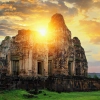
Temples such as Angkor Wat are generally very safe, but they attract large crowds, especially during sunrise hours. Keep bags zipped and avoid carrying unnecessary valuables. For the best experience and fewer crowds, arrive at lesser-known temple gates early or visit during late afternoon light.
(11).jpg)
Dress respectfully when visiting religious sites
Lightweight clothing that covers shoulders and knees is usually the safest option and will get you past entry guards without issues. Some temples have steep stairs and uneven surfaces, so comfortable shoes with grip are worth packing.
You may also like: Siem Reap Phnom Penh Tour 5 days - A Country Overview
Hydration is also important when exploring temples for several hours in Cambodia's heat. Many first-time visitors underestimate how intense the temperatures can feel during midday. Bring at least one litre of water and take breaks in shaded areas.
Is Cambodia safe for solo female travelers?
Cambodia is generally safe for solo female travelers who take standard precautions. Stick to well-lit areas at night, use reputable transport apps, and trust your instincts in unfamiliar situations. Many women travel solo here without incident. Joining a small group tour for temple visits is also a comfortable option.
Should I use US dollars or Cambodian riel?
US dollars are widely accepted and preferred for most transactions in tourist areas. Riel is typically used for small change below one dollar. Carry a mix of both, and avoid exchanging money at unofficial street stalls where rates and authenticity can be unreliable.
What vaccinations do I need before visiting Cambodia?
Most travel doctors recommend being up to date on hepatitis A, typhoid, and tetanus. Rabies vaccination may be advised if you plan rural travel. Check with your GP or a travel clinic at least four to six weeks before departure to allow time for any multi-dose vaccines.
How do I avoid getting overcharged as a tourist?
Always agree on a price before getting in a tuk-tuk or taxi. Use metered or app-based rides where possible. For temple entrance fees and guided tours, check official government websites for standard prices. Angkor Wat has fixed admission rates listed publicly, and no legitimate driver should claim otherwise.
Cambodia rewards the prepared traveler. With a bit of awareness, most first-time visitors experience nothing more than friendly locals, incredible food, and unforgettable temples. The country's warmth far outweighs its risks when you know what to look out for.
Planning your first trip to Cambodia and want a route that feels safe, well-paced, and tailored to you? Get in touch with us to design your own Cambodia itinerary!