English
 French
 Spanish
 Italian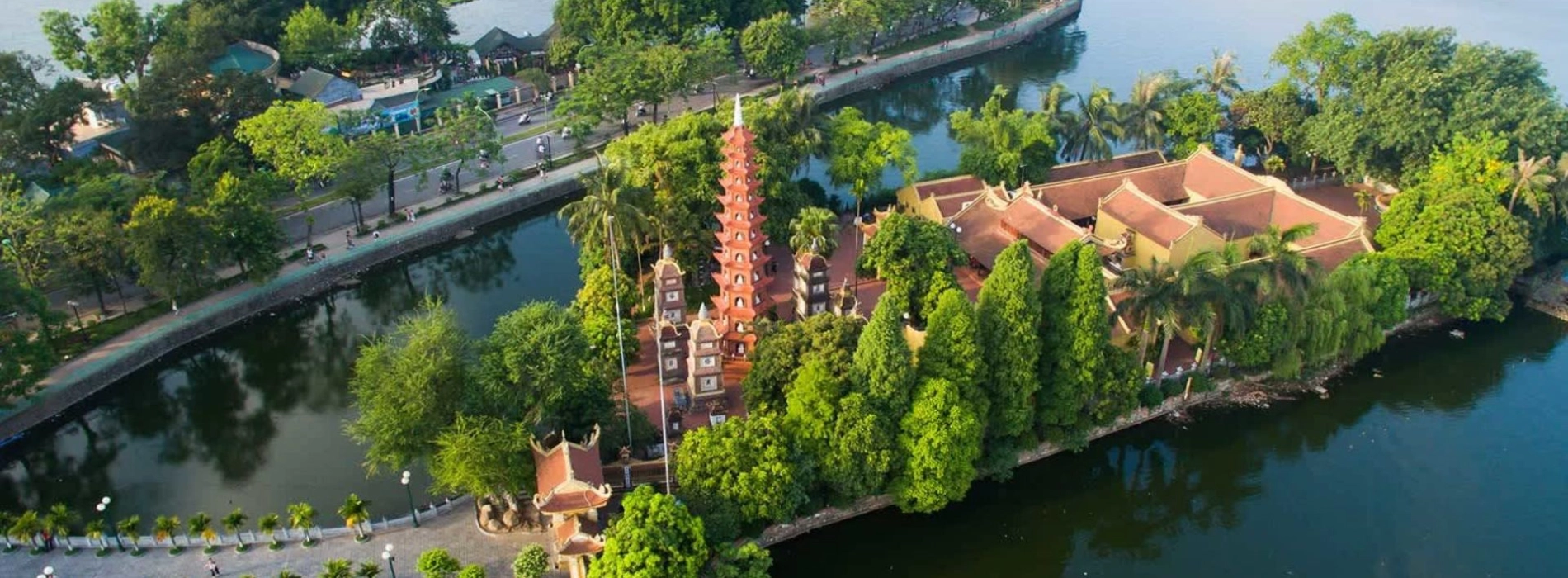
Hanoi isn’t a city you "visit" in the traditional sense; it’s a city you survive, navigate, and eventually fall in love with. It’s dense, it’s loud, and the humidity acts like a warm, wet blanket you can’t kick off. But if you try to see it from the window of a taxi or a tour bus, you’ve already lost. You have to be on the pavement, dodging plastic stools and steam from phở pots.
To get your bearings without feeling completely overwhelmed, it is recommended to jump on one of the free walking tours in Hanoi during your first few hours. Having a local explain why everyone is suddenly doing aerobics by a lake at dawn makes the difference between feeling like a stranger and feeling like a guest.
The Hanoi Old Quarter is the absolute soul of the city. Historically known as the "36 Streets," this area has been the commercial hub of Hanoi for over a thousand years. Back in the day, each street was dedicated to a specific craft or trade, one street for silver, one for bamboo, one for silk.
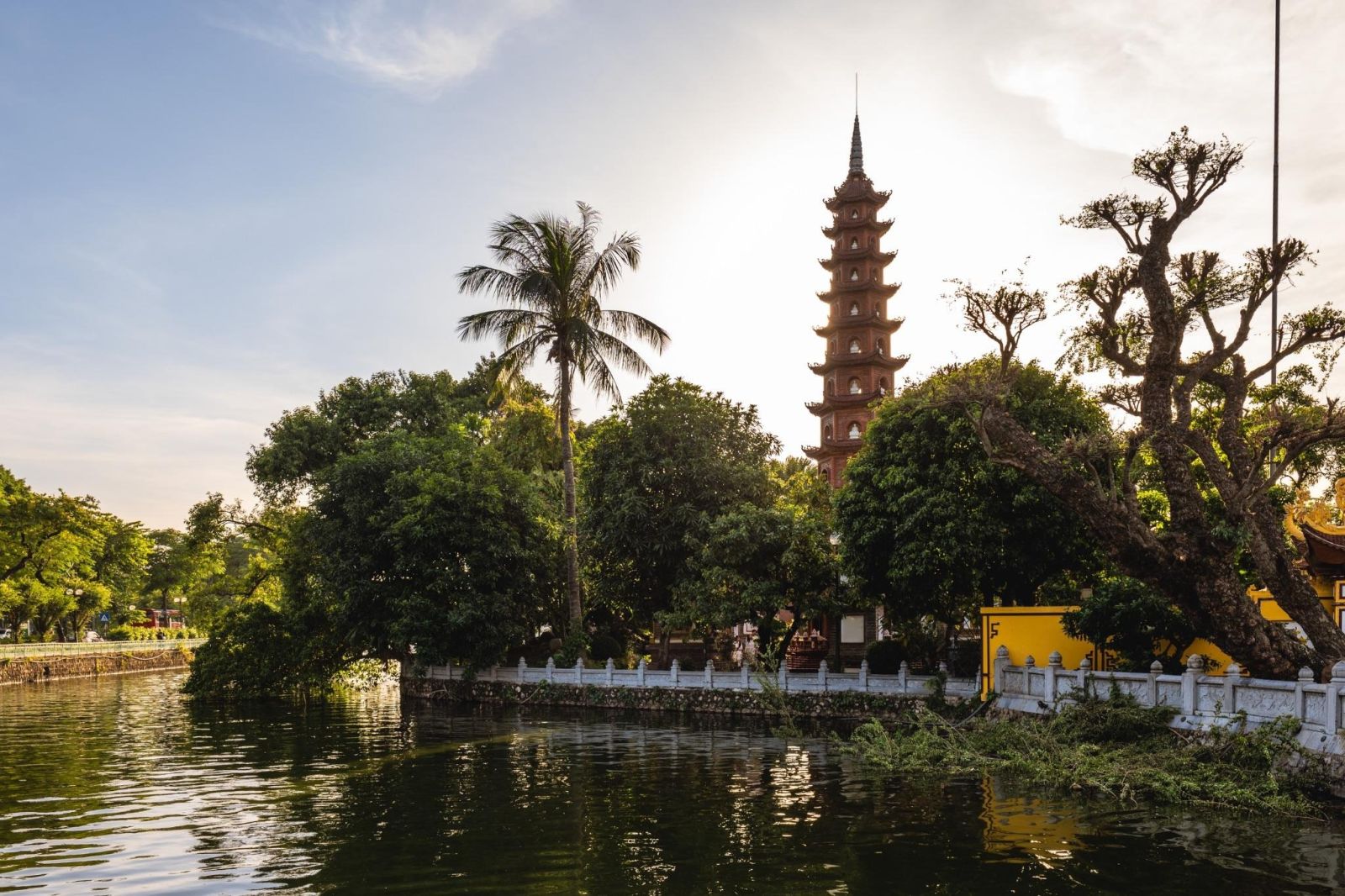
Tran Quoc Pagoda, the oldest Buddhist temple in Hanoi, Vietnam
While the modern era has brought in North Face knock-offs and cheap souvenirs, the bones of that old system are still there. You’ll be walking down a street that smells like cinnamon and star anise, and then suddenly, you’re in a block that exclusively sells gravestones or hardware. It’s organized chaos at its finest.
To truly see the Old Quarter, you have to look up and look deep.
You can’t talk about a morning in Hanoi without talking about the coffee. In many parts of the world, coffee is a "grab and go" fuel. In Hanoi, it’s a sit-on-a-tiny-blue-plastic-stool-and-stare-at-traffic event. The French brought coffee here, but the Vietnamese made it an art form and a survival tactic.
You may also like: Ho Chi Minh Tour 2 Hours - Exploring Ho Chi Minh City on foot
If you find yourself near Hoan Kiem Lake after your walk, you have to hunt down a cup of Cà Phê Trứng, or Egg Coffee. Legend has it that back in the 1940s, when milk was scarce during the war, a bartender at the Sofitel Legend Metropole decided to whisk egg yolks with sugar to create a creamy topping for his coffee. It sounds strange until you try it; it’s basically a liquid tiramisu that gives you enough caffeine to vibrate through the rest of your day.
While the egg coffee gets all the Instagram fame, don't sleep on the:
As you move away from the frantic energy of the Old Quarter, the city starts to reveal its various "lives." You have the ancient Vietnamese roots, seen most clearly at the Temple of Literature. This was the country's first university, founded in 1070. Walking through its courtyards feels like stepping into a silent movie; the grey stone, the turtle stelae, and the manicured gardens are a stark contrast to the neon and exhaust just outside the gates.
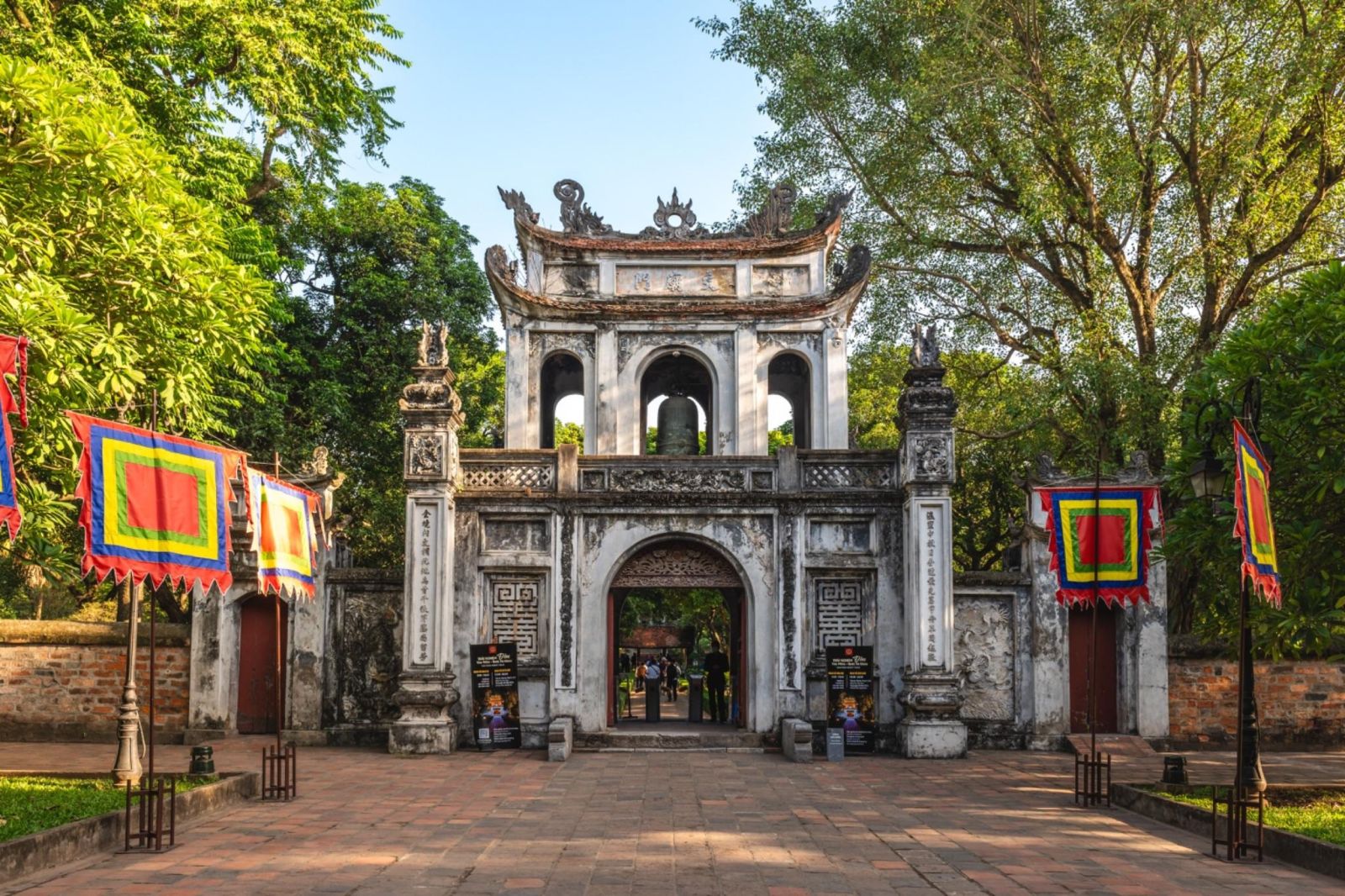
The Temple of Literature, home to the country's first national university
Then, there’s the French Quarter. This is where the streets get wider, the trees get taller, and the architecture turns into yellow-washed colonial villas with green shutters. It’s beautiful, but it’s a beauty that carries the weight of a complicated past.
The most important skill you will learn on a walking tour in Hanoi is street crossing. For a newcomer, the wall of motorbikes looks like certain death. There are no gaps. The traffic lights are mostly suggestions.
The secret, which any local guide will tell you, is to walk at a slow, steady, predictable pace. Do not stop. Do not run. Do not make eye contact with the riders. They are like water flowing around a stone in a stream. They will calculate your trajectory and move around you. The moment you panic and bolt, you break the "algorithm" of the street. It’s a profound lesson in trust that you’ll have to learn about fifty times a day.
By the time the sun is high and the "noon-time nap" begins to settle over the city, you’ll realize that Hanoi isn't trying to impress you. It isn't trying to be the most modern or the most convenient city. If you find yourself in the capital, don't just stick to the air-conditioned malls. Put on some comfortable shoes, grab a map (or better yet, a guide), and get lost in the alleys.
Listen to the clinking of spoons against glass, the rhythmic chopping of herbs, and the constant hum of the bikes. The real Hanoi isn't found in a museum; it's found in that first bowl of bún chả on a sidewalk, surrounded by the steam and the stories of a thousand years.
Looking for inspiration for your upcoming vacation? Check out our collection of Hanoi tours!