English
 French
 Spanish
 Italian
Korat
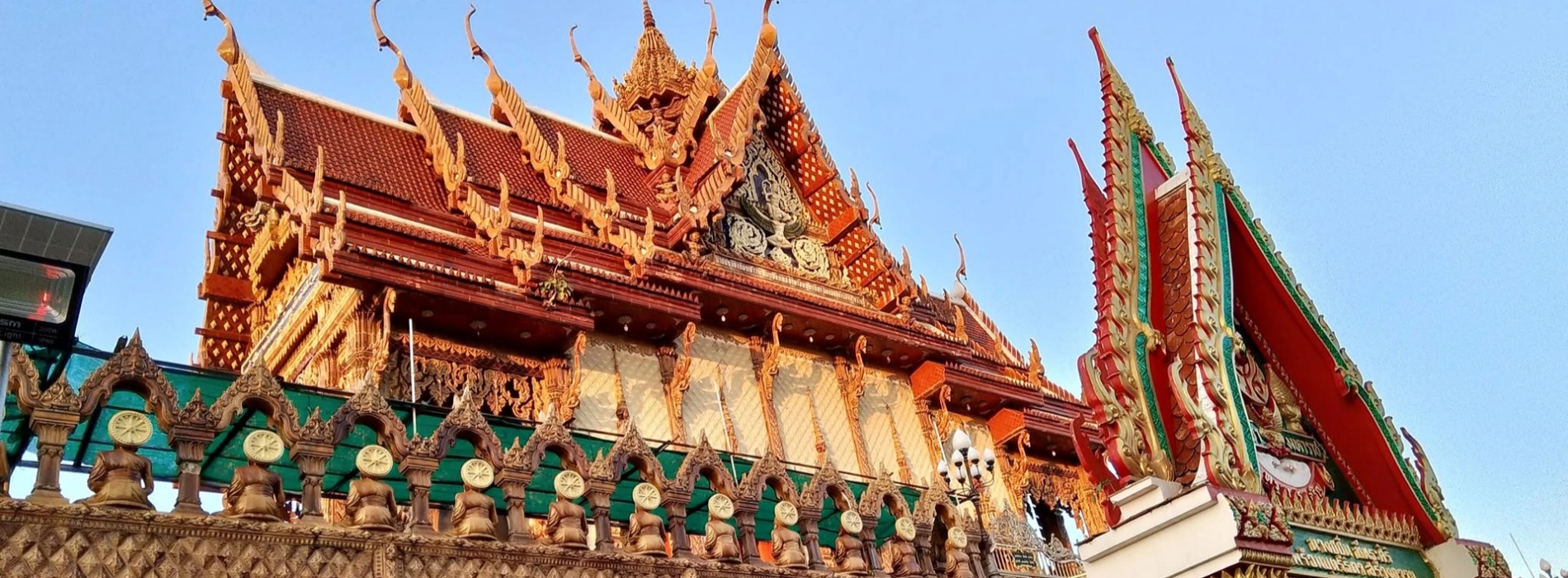
Located around 260 kilometers northeast of Bangkok, Korat, officially known as Nakhon Ratchasima, is the main gateway to northeastern Thailand. It is Thailand’s largest province by area and one of the most important economic and transportation centers in the Isan region.
Korat offers travelers an interesting mix of ancient Khmer heritage, local Isan culture, national parks, museums, markets and rural landscapes. Visitors can explore the impressive ruins of Phimai Historical Park, learn about prehistoric life at the Khorat Fossil Museum, discover local traditions in the city and travel west toward the forests of Khao Yai.
For travelers who want to experience northeastern Thailand without going too far from Bangkok, Korat is an excellent destination to add to a Thailand itinerary.
Korat has played an important role in Thai history for centuries. Archaeological sites around the province show evidence of prehistoric settlements as well as influences from the Dvaravati and Khmer civilizations. Phimai, in particular, became an important regional center during the Angkor period.
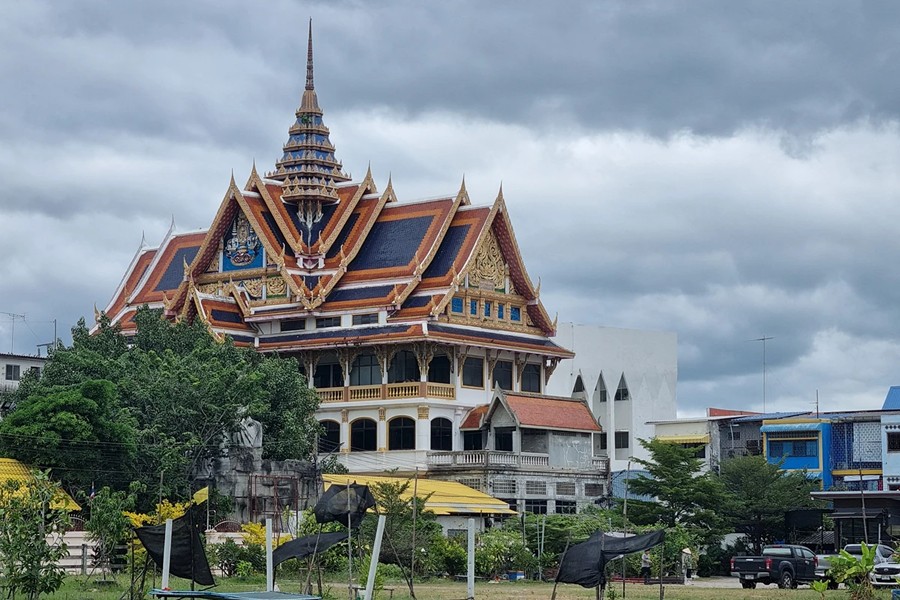
Korat in Northeastern Thailand
Today, Korat remains one of the most culturally distinctive provinces in northeastern Thailand. Local traditions include Pleng Korat, a form of traditional folk singing associated with the province, while areas such as Pak Thong Chai are known for silk weaving.
The province is also geographically diverse. Travelers can move from the busy center of Nakhon Ratchasima city to historical ruins, agricultural areas, highland landscapes and the forests around Khao Yai within the same trip.
Phimai Historical Park is one of the most important Khmer archaeological sites in Thailand. Located around 60 kilometers from Nakhon Ratchasima city, the complex was once an important city connected with the Khmer Empire.
Its central sanctuary features characteristic Khmer architecture, with sandstone structures, carved lintels and a carefully planned layout. Unlike many Khmer temples that traditionally face east, Phimai’s main sanctuary is oriented toward the south, in the direction of ancient Angkor.
The historical park is relatively compact and easy to explore on foot, making it suitable for travelers of different ages.
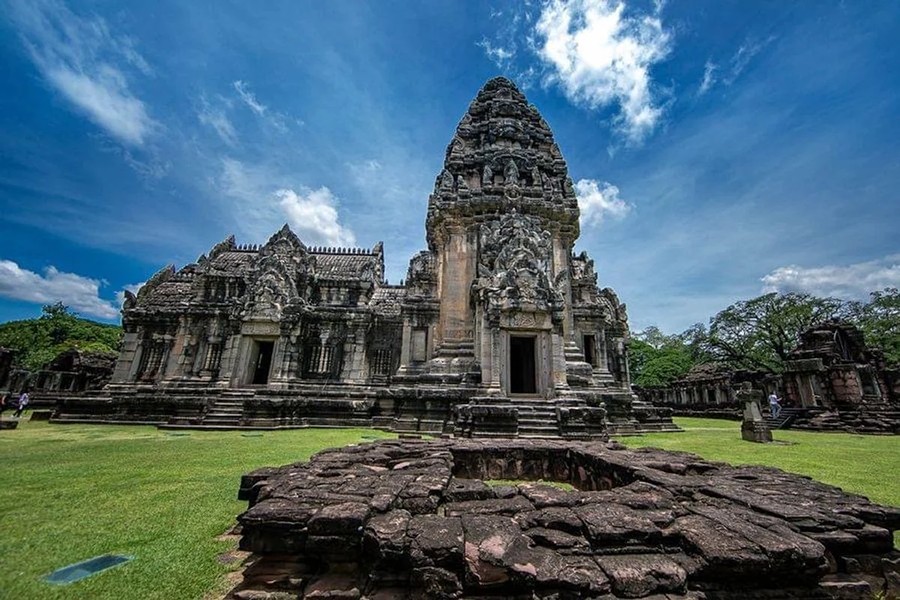
Phimai Historical Park preserves some of the finest Khmer architecture in northeastern Thailand
The Thao Suranari Monument, commonly called the Ya Mo Monument, is one of Korat city’s most recognizable landmarks.
Thao Suranari is remembered locally as a heroine who played an important role in defending the city during conflict in the early nineteenth century. Today, the monument is an important spiritual and cultural symbol for people in Nakhon Ratchasima. The Tourism Authority of Thailand identifies it as one of the province’s main landmarks.
Visitors often come to pay respect, offer flowers and observe local traditions around the monument.
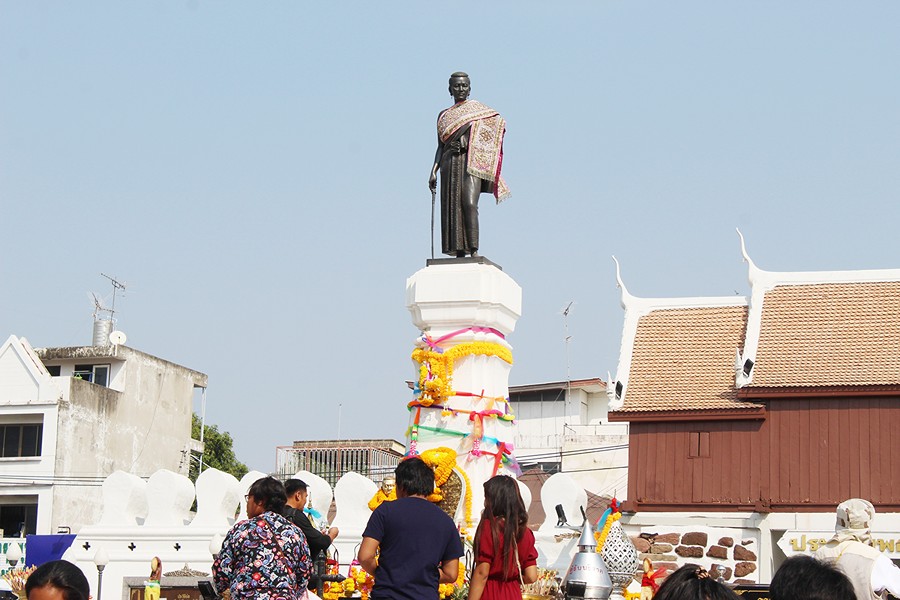
The Thao Suranari Monument is an important cultural symbol in the heart of Korat
Khao Yai National Park is one of Thailand’s most famous protected natural areas and extends across several provinces, including Nakhon Ratchasima. It was Thailand’s first national park and forms part of a UNESCO World Heritage property.
The park is home to forests, waterfalls, viewpoints and wildlife observation areas. More than 280 bird species have been recorded in the park, along with elephants, deer, gibbons and other wildlife.
Popular attractions include Haew Suwat Waterfall, Haew Narok Waterfall, Pha Diew Dai Viewpoint and the Nong Phak Chi wildlife observation tower.
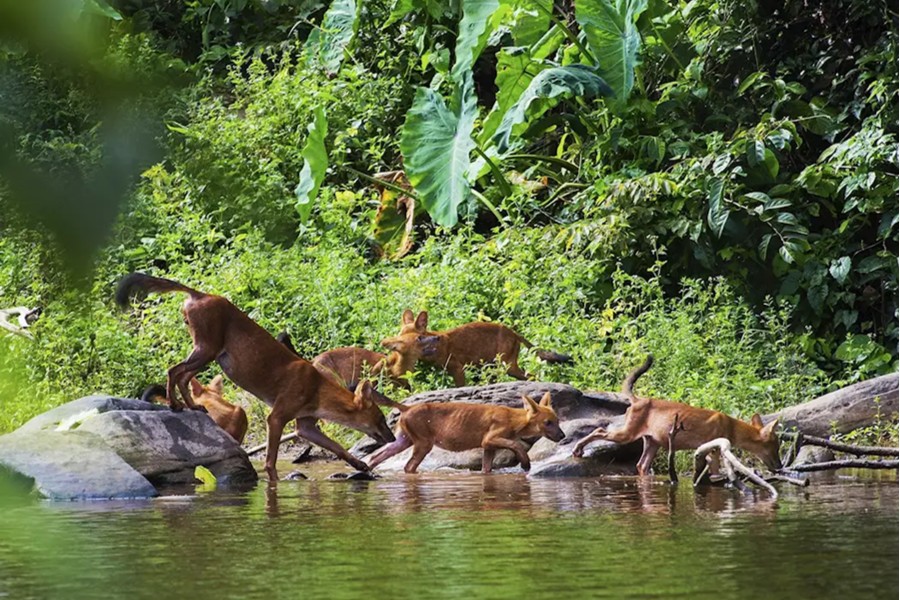
Khao Yai National Park offers forests, waterfalls and wildlife experiences near Korat
Khorat Fossil Museum is one of the most unusual attractions in the province. The museum focuses on petrified wood, prehistoric elephants and dinosaur fossils discovered in northeastern Thailand.
The collection includes a major display of petrified wood as well as fossils and reconstructed prehistoric animals. The museum is also connected with the Khorat UNESCO Global Geopark, making it an interesting stop for families and travelers interested in geology.
Modern exhibitions help explain the ancient natural history of the Korat Plateau in a clear and accessible way.
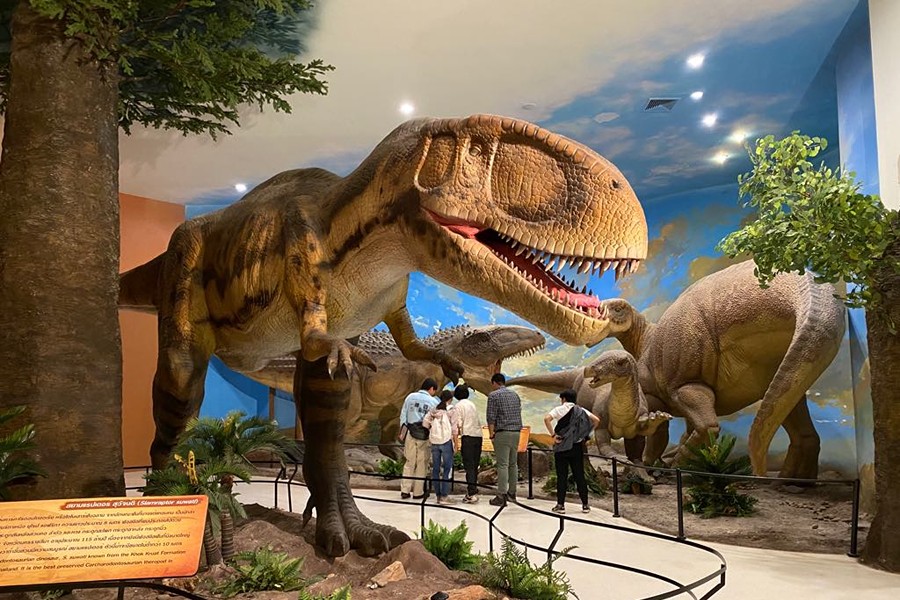
The Khorat Fossil Museum reveals millions of years of geological and prehistoric history
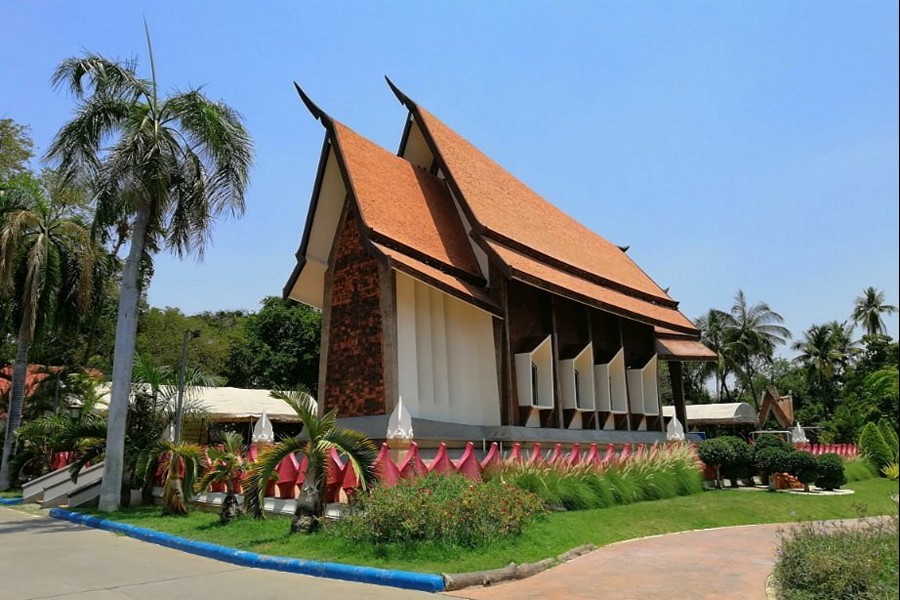
Wat Sala Loi is one of the most respected temples in Nakhon Ratchasima city. It is closely associated with Thao Suranari, whose ashes are preserved at the temple.
The temple is particularly known for its modern ordination hall, which was designed in a distinctive form inspired by a boat moving through waves. Its architecture blends traditional Thai religious elements with a more contemporary design.
Visitors can combine the temple with the Thao Suranari Monument for a deeper understanding of Korat’s local history.
Wat Sala Loi combines local spiritual importance with distinctive modern Thai architecture
Discover the pristine beauty of Khao Yai National Park Tour 3 Days Journey
SaveOne Market is one of Korat’s most popular evening destinations and is often described as one of the largest night markets in northeastern Thailand.
The market sells clothing, accessories, household goods and a wide variety of street food. Visitors can try grilled meats, Isan dishes, Thai desserts, fruit drinks and snacks while experiencing everyday local life.
The Tourism Authority of Thailand includes SaveOne as an evening stop in its recommended Korat itinerary.
SaveOne Night Market is a lively place to sample street food and experience Korat after dark
One of the most distinctive local dishes is Korat-style stir-fried noodles, often called Pad Mee Korat.
The dish uses thin rice noodles cooked with a slightly sweet, salty and tangy sauce. It is often served with bean sprouts, vegetables and meat.
Although it resembles Pad Thai, Pad Mee Korat has its own regional flavor and is closely associated with Nakhon Ratchasima.
Khanom Jeen Pradok is another famous local specialty. The dish consists of soft fermented rice noodles served with different curries and fresh vegetables.
The Pradok community in Nakhon Ratchasima has long been associated with traditional khanom jeen production, and several restaurants specialize in this dish.
Like many destinations in northeastern Thailand, Korat is an excellent place to try grilled chicken, sticky rice and som tam.
These dishes are widely available at local restaurants and markets and are often enjoyed together as a simple shared meal.
Suwan Farm is known for its agricultural research and particularly for its popular sweet corn products. The Tourism Authority of Thailand lists the farm as one of Korat’s notable attractions.
Fresh corn and corn milk are popular purchases for travelers passing through the area.
The most comfortable period to visit Korat is generally from November to February, when temperatures are cooler and rainfall is relatively low.
This season is ideal for exploring archaeological sites such as Phimai and Phanom Wan, walking around Korat city and visiting Khao Yai National Park.
From March to May, temperatures can become very hot, especially around midday. Outdoor visits should be planned for the morning or late afternoon.
Korat offers accommodation for a wide range of budgets.
Local food is generally affordable.
Travel costs vary depending on distance.
Local rides within Korat city are inexpensive, but travelers visiting Phimai, Khao Yai or other districts may find a private car more convenient.
Prices are approximate and can vary during weekends, festivals and public holidays.
Yes. Korat offers a combination of Khmer history, local Isan culture, markets, museums and nature that is very different from Thailand’s main beach destinations.
Two days are enough for Korat city and Phimai. Three to four days are better if you also want to visit Khao Yai, museums and rural attractions.
Yes. The Khorat Fossil Museum, Khao Yai National Park, local markets and historical parks are suitable for families.
Yes. Korat is easily accessible from Bangkok by car, bus and train. However, a day trip can feel rushed, so staying at least one night is recommended.
Bring lightweight clothing, comfortable walking shoes, sunscreen, a hat and drinking water.
For temples, travelers should wear clothing that covers the shoulders and knees. A light jacket can also be useful during the cooler months.
Korat is one of the most diverse destinations in northeastern Thailand. Ancient Khmer temples, Isan traditions, fossil discoveries, local cuisine and nearby forests give travelers many different ways to experience the province.
For travelers looking to explore northeastern Thailand beyond the usual tourist route, Korat is a rewarding destination that combines history, culture and nature in one journey.
Explore Thailand's hidden gems on this Northeast Thailand Tour 8 days: Issan Discovery!