English
 French
 Spanish
 Italian
Bai Dinh Pagoda
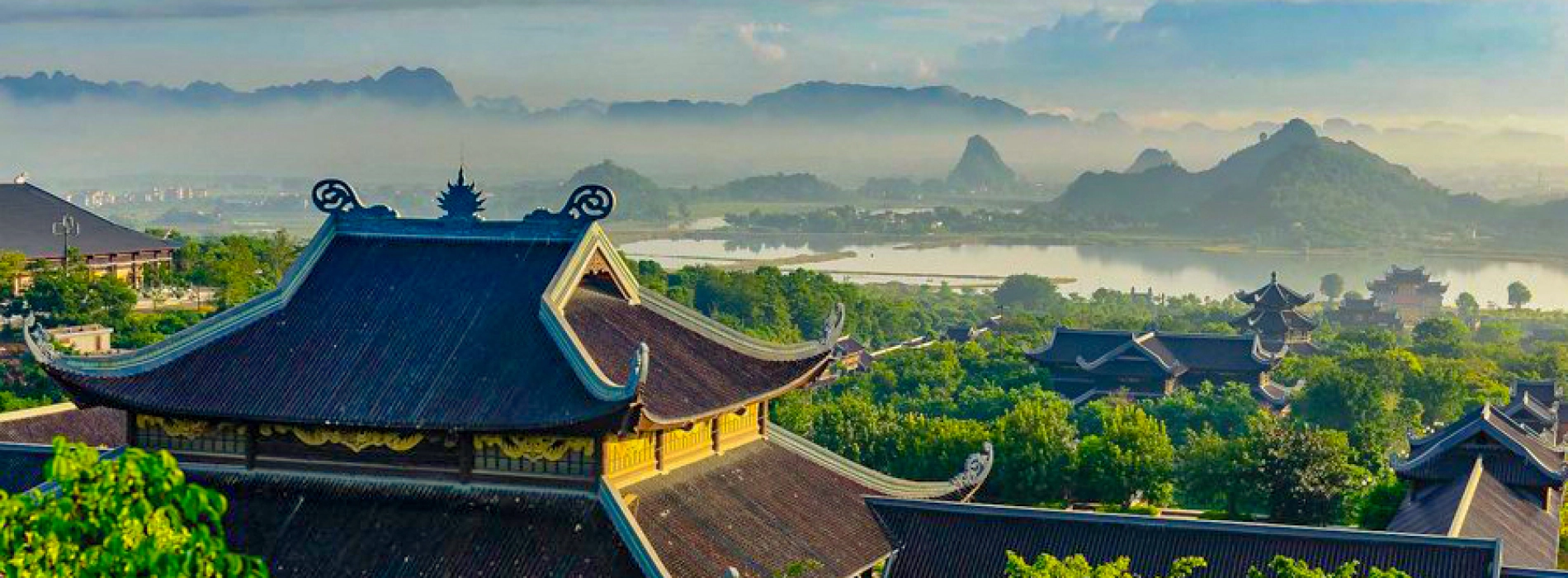
Bai Dinh Pagoda is the largest pagoda in Southeast Asia, located within the Trang An Scenic Landscape Complex in Gia Sinh Commune, Gia Vien District, Ninh Binh Province. It is only about 18 km from Ninh Binh City Center and around 100 km from Hanoi, making it very convenient to reach. This is a sacred pilgrimage site that attracts many visitors and is renowned for holding numerous impressive records in Vietnam and Asia. Thanks to these remarkable features, Bai Dinh has become an ideal destination for worship, sightseeing, and cultural exploration.
Bai Dinh Pagoda is the largest pagoda in Southeast Asia
The original Bai Dinh Pagoda was built in the 13th century during the Ly Dynasty. It was constructed in a picturesque location at the base of Dinh Mountain. Over the centuries, the pagoda underwent several renovations and expansions. However, it gained widespread recognition and significance during the early 20th century when it was expanded and rebuilt in a grand scale. In 2003, the construction of a new and much larger Bai Dinh Pagoda complex began. This ambitious project aimed to create one of the largest Buddhist temple complexes in Southeast Asia.
After years of construction, the new Bai Dinh Pagoda complex was completed and inaugurated in 2010. It features a vast array of beautifully designed temples, stupas, statues, and ornate architecture. Due to its impressive scale and cultural importance, Bai Dinh Pagoda has become a popular tourist destination, drawing visitors from around the world who come to admire its architectural beauty and experience its tranquil surroundings.
Festival season: Visit between January and March (Lunar New Year period) to immerse yourself in lively cultural celebrations and festive rituals.
Peaceful moments: For a quieter experience, come in the early morning (6-8 AM) or late afternoon, when the crowds thin out and the atmosphere feels more tranquil.
Best weather: Spring (Jan - Mar) and autumn (Sep - Nov) provide the most comfortable climate, perfect for sightseeing and exploring.
In Buddhism, the Tam Quan Gate represents three symbolic entrances: the Gate of Emptiness, the Gate of Wisdom, and the Gate of Illusion. The structure is built entirely from wood, using approximately 550 tons of round timber. Designed in the traditional “layered frame” architectural style, the gate stands 16.5 meters high, 13 meters wide, and 32 meters long.
At the center of the Tam Quan, you’ll notice four massive pillars - each about 14 meters tall and weighing 10 tons. The Tam Quan Gate of Ninh Binh is a remarkable architectural feature of spiritual tourism, leaving a strong and lasting impression on all who visit.
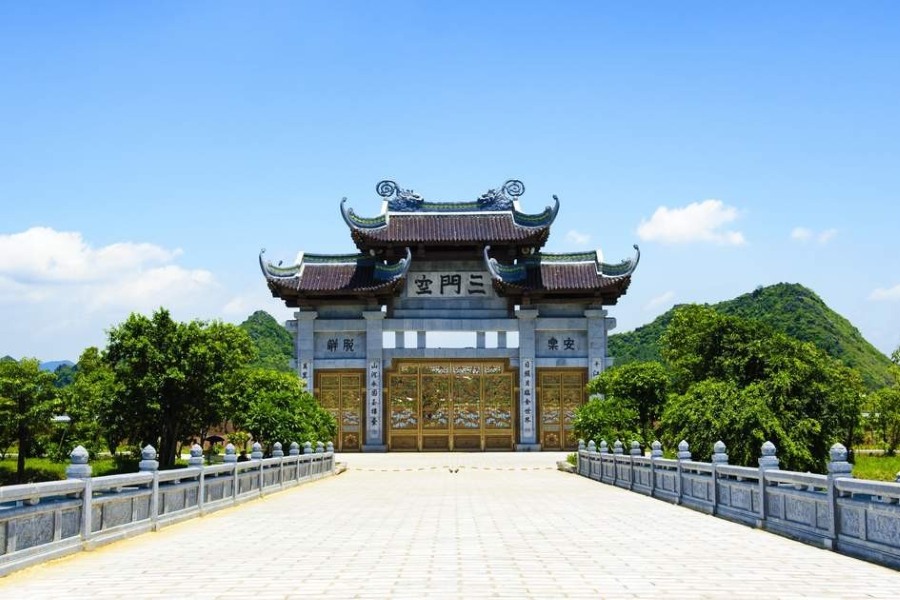
Tam Quan Gate
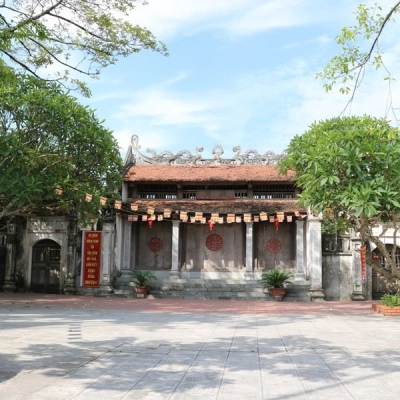
The Old Bai Dinh Pagoda is the original temple of the complex and has a long history dating back to the 13th century during the Ly Dynasty. It is located at the base of Dinh Mountain and is characterized by its ancient architecture and serene atmosphere.
The New Bai Dinh Pagoda is a modern temple complex constructed in the early 2000s and is located near the Old Bai Dinh Pagoda. It is one of the largest temple complexes in Southeast Asia and is known for its grandeur and vast scale. The New Bai Dinh Pagoda features impressive architecture, large prayer halls, towering statues, numerous stupas, and a significant number of intricate Buddhist sculptures.
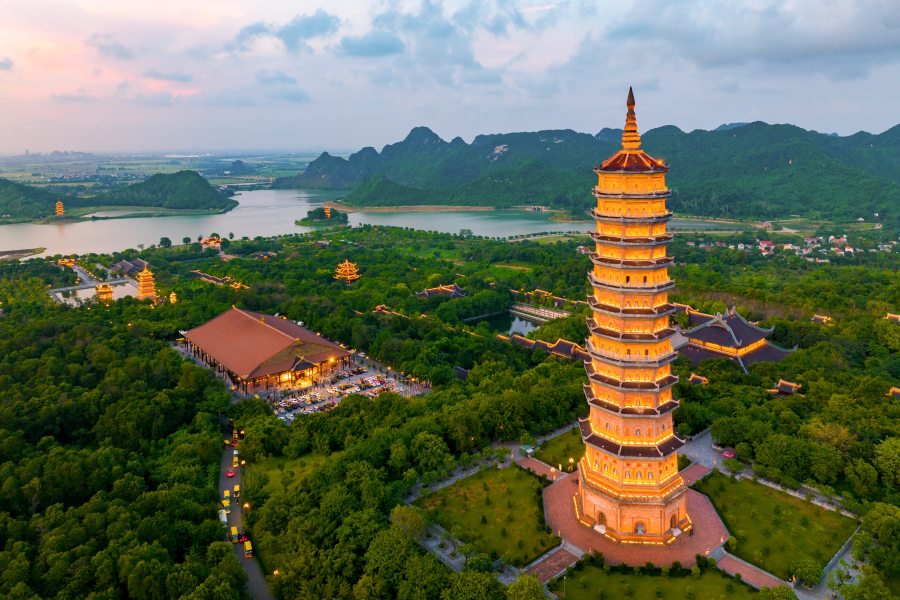
The New Bai Dinh Pagoda is a modern temple complex constructed in the early 2000s
Read more: Ninh Binh Tours
The Bell Tower in Ninh Binh is one of the tourist attractions situated within the premises of the New Bai Dinh Pagoda. The most impressive feature of this bell tower is its massive bell, weighing up to 36 tons. This bell is entirely cast from pure bronze. On the surface of the bronze bell, there are numerous sections inscribed with Chinese characters and eye-catching dragon motifs.
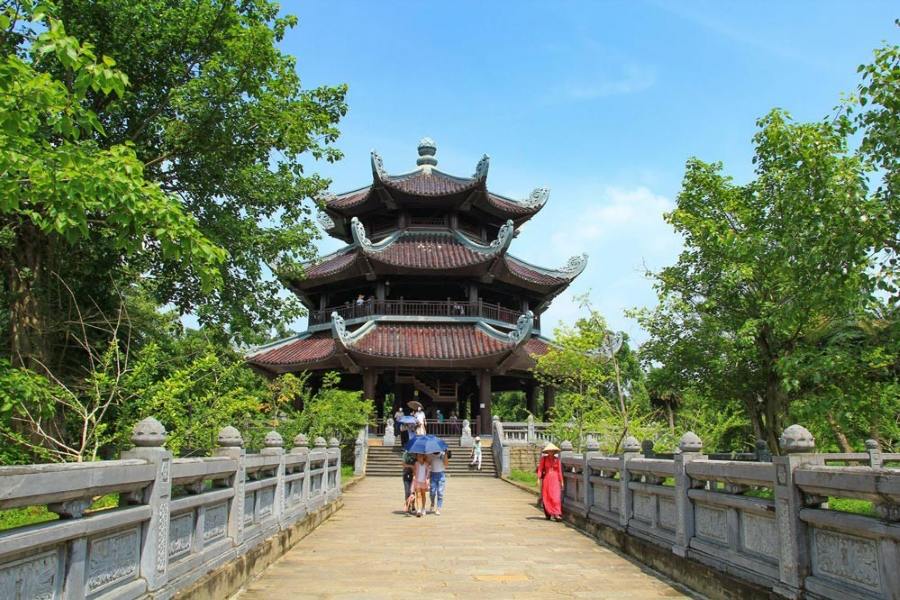
The Bell Tower in Ninh Binh is one of the tourist attractions situated within the premises of the New Bai Dinh Pagoda
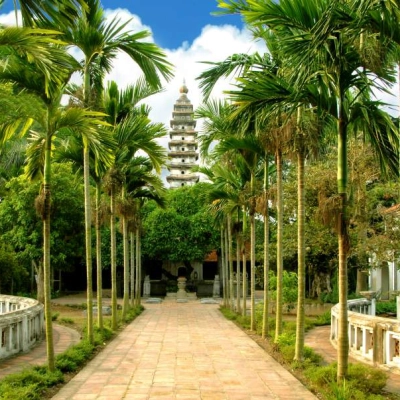
Bao Thap Tower at Bai Dinh stands at a height of 100 meters, consisting of 13 floors connected by 72 stair steps. Inside the tower, it houses precious Buddhist relics from both India and Burma. The tower's ceiling is intricately designed in the mystical Indian fashion, while its interior walls are adorned with sculpted Buddhist-themed images. The tower is also adorned with thousands of small statues. To reach the top and enjoy panoramic views of the pagoda and its surroundings, you have the option to either climb the 72 stairs independently or take an elevator for an additional fee.
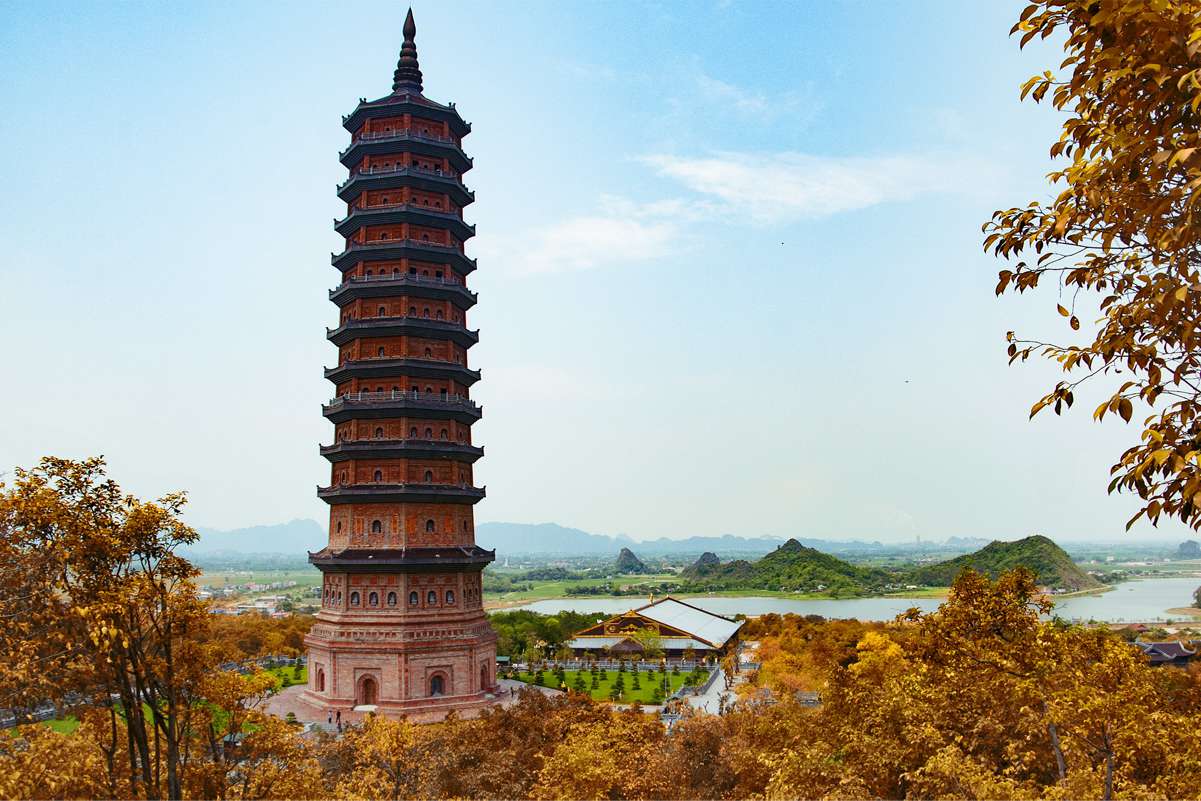
Bao Thap Tower at Bai Dinh stands at a height of 100 meters
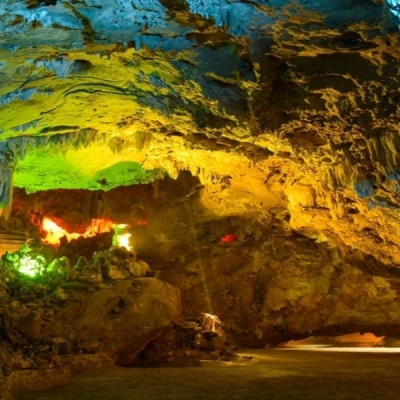
“Hang Sang” (Light Cave) and “Hang Toi” (Dark Cave) are two natural caves located in the ancient Bai Dinh Pagoda area on Dinh Mountain, part of the Bai Dinh Pagoda complex in Ninh Binh. These spots are famous for both spiritual experiences and sightseeing:
Hang Sang (Light Cave): Also known as the Buddha Worship Cave. This spacious cavern receives natural sunlight and is dedicated to Buddha.
Hang Toi (Dark Cave): Also called the Mother Goddess Worship Cave. It is deeper, darker, and serves as a sacred space honoring various deities and the Mother Goddess.
The ancient pagoda area sits separately from the large, modern Bai Dinh complex, and visitors typically hike up the mountain to reach these caves. This journey is a highlight for travelers seeking spiritual exploration and an authentic nature experience in Ninh Binh.
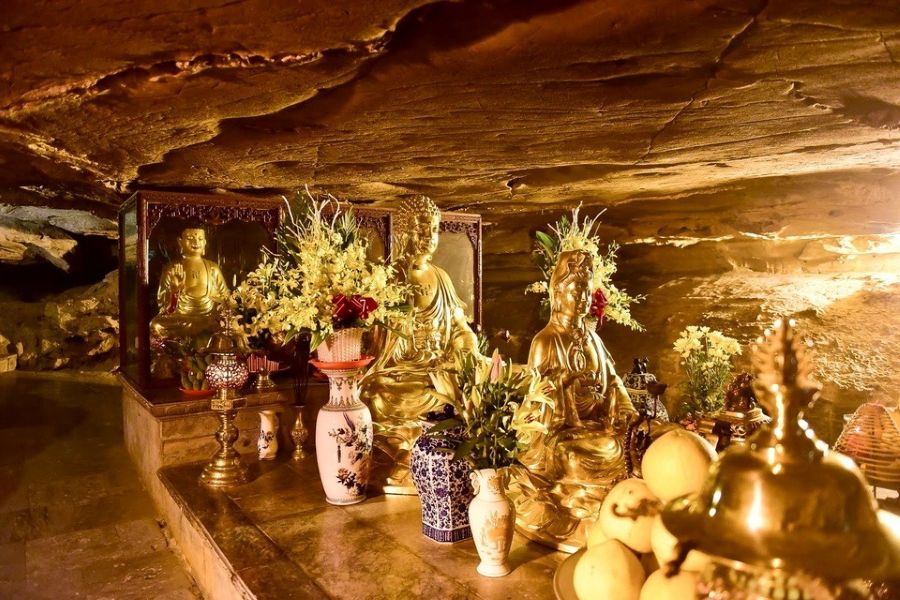
“Hang Sang” (Light Cave) and “Hang Toi” (Dark Cave) are two natural caves located in the ancient Bai Dinh Pagoda
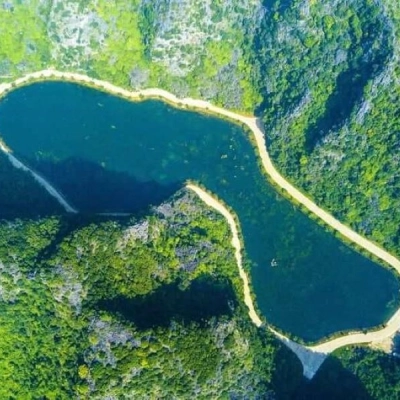
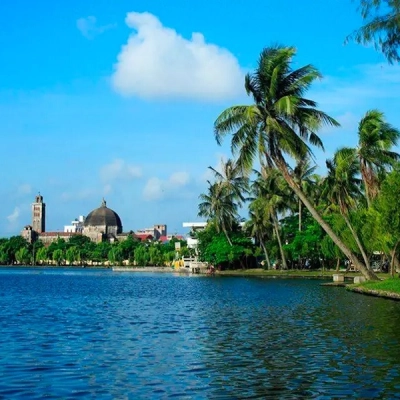
The Ngoc Well is the largest temple well in Vietnam. Specifically, Ngoc Well covers a total area of up to 6,000 square meters, with a wide diameter of nearly 30 meters and a depth of up to 6 meters. The surrounding landscape of Ngoc Well at Bai Dinh Pagoda is also stunning, featuring lush and towering green trees. The water in Ngoc Well is traditionally believed to have healing properties and was used for treating various ailments for kings and the people. Nowadays, the water from Ngoc Well is used for ceremonial purposes during temple festivals.
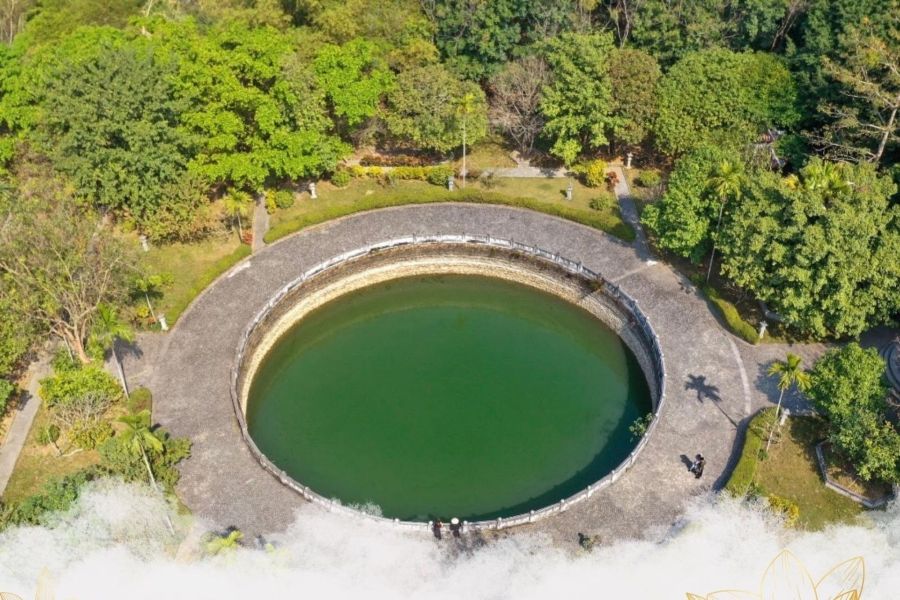
The unique beauty of the Ngoc Well of Bai Dinh Pagoda
The Maitreya Statue at Bai Dinh Pagoda (Ninh Binh) is a massive outdoor bronze sculpture recognized as the largest bronze Maitreya Buddha statue in Southeast Asia.
Key Highlights of the Maitreya Statue
Location: The statue sits atop the highest hill within the new Bai Dinh Pagoda complex, about 100 meters above sea level, right beside the Tam The Hall.
Size & Material: Cast entirely from solid bronze, the statue stands 10 meters tall and weighs 80 tons.
Symbolism: Depicting the Maitreya Buddha with a warm, gentle smile and a joyful, benevolent expression, the statue represents ultimate happiness, peace, and inner harmony. It embodies the belief that the Maitreya Buddha brings the power to transform sorrow and burdens into joy and positivity.
Record: Officially recognized by the Asia Book of Records as the largest bronze Maitreya Buddha statue in Southeast Asia.
This iconic sculpture has become a must-see attraction for travelers exploring Bai Dinh Pagoda and the spiritual heritage of Ninh Binh.
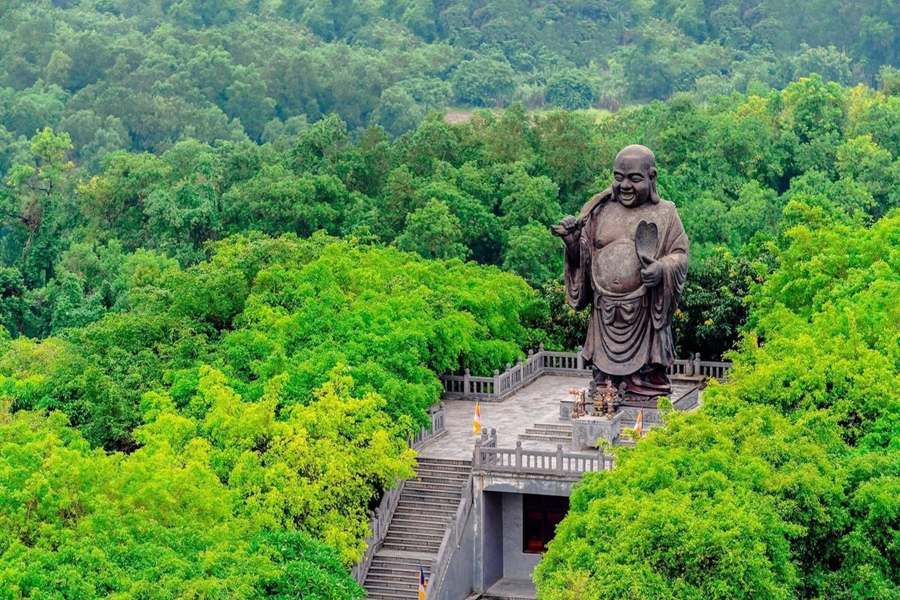
The Maitreya Statue at Bai Dinh Pagoda (Ninh Binh)
This wooden structure is up to 1,052m long with 500 statues of Arhat positions made from monolithic green stone weighing about 4 tons.
This is where the bronze Buddha statue weighing 80 tons and 9.57m high is located. This is the largest bronze statue of Avalokiteśvara Bodhisattva in Vietnam.

Bodhisattva Avalokitesvara Hall
Tam The Hall is situated atop a hill, elevated at 76 meters above sea level. It spans 59.1 meters in length and 40 meters in width. Within the hall, you'll find three colossal bronze statues of Tam The Buddha, each towering at a height of 7.2 meters and weighing a remarkable 50 tons. These statues are acknowledged as the largest bronze Tam The statues in all of Vietnam.
.jpg)
Tam The Hall
Key Details for 2025:
Main ticket types and services:
Entrance ticket: Free for all visitors.
Electric shuttle (round trip):
Adults: Around 100,000 VND/person
Children (1m – 1m3): Around 70,000 VND/person
Children under 1m: Free
Stupa sightseeing ticket:
Adults: 50,000 VND/person
Children (1m – 1m3): 40,000 VND/person, Children under 1 meter are free of charge.
Tour guide: Around 300,000 – 500,000 VND/group (depending on the area)
Packing fee: Motorbike parking fee: 15,000 VND per time, Car parking fee: 40,000 VND per time.
Toilet fee: 2,000 VND per time.
Important notes:
You must take the electric shuttle to reach the main areas of the pagoda (from the Tam Quan Gate to the new pagoda, and to the ancient pagoda).
Ticket prices may change, so it's best to check again at the entrance upon arrival.
It’s recommended to visit on weekdays (except weekends) to avoid crowds and enjoy a better experience.
Bai Dinh Pagoda is a sacred spiritual site, so visitors should pay attention to appropriate clothing. Choose modest and respectful attire, such as tops with sleeves and pants or skirts that cover the knees. When offering incense, avoid burning too many sticks; if you wish to make donations, bring some small change.
Please do not litter and avoid placing money on Buddha statues—use the designated donation boxes instead. The Bai Dinh Stupa stands 100 meters tall, but it is equipped with an elevator, making it easier for visitors to move between floors.
Visiting the pagoda involves a lot of walking and climbing stone steps, so remember to bring a bottle of water and wear comfortable, flat footwear. During peak seasons, be mindful of your personal belongings to avoid theft.
If you want a deeper understanding of the pagoda’s history, architecture, and stories, consider hiring a private guide or booking a guided tour.
Bai Dinh Pagoda, located in Ninh Binh province, stands as a magnificent testament to Vietnamese spirituality and architectural splendor. For a memorable visit to Bai Dinh Pagoda, trust Asia King Travel, your dedicated partner in creating an unforgettable journey through this remarkable destination.
Read more: Explore the beauty of Vietnam on our tours!